

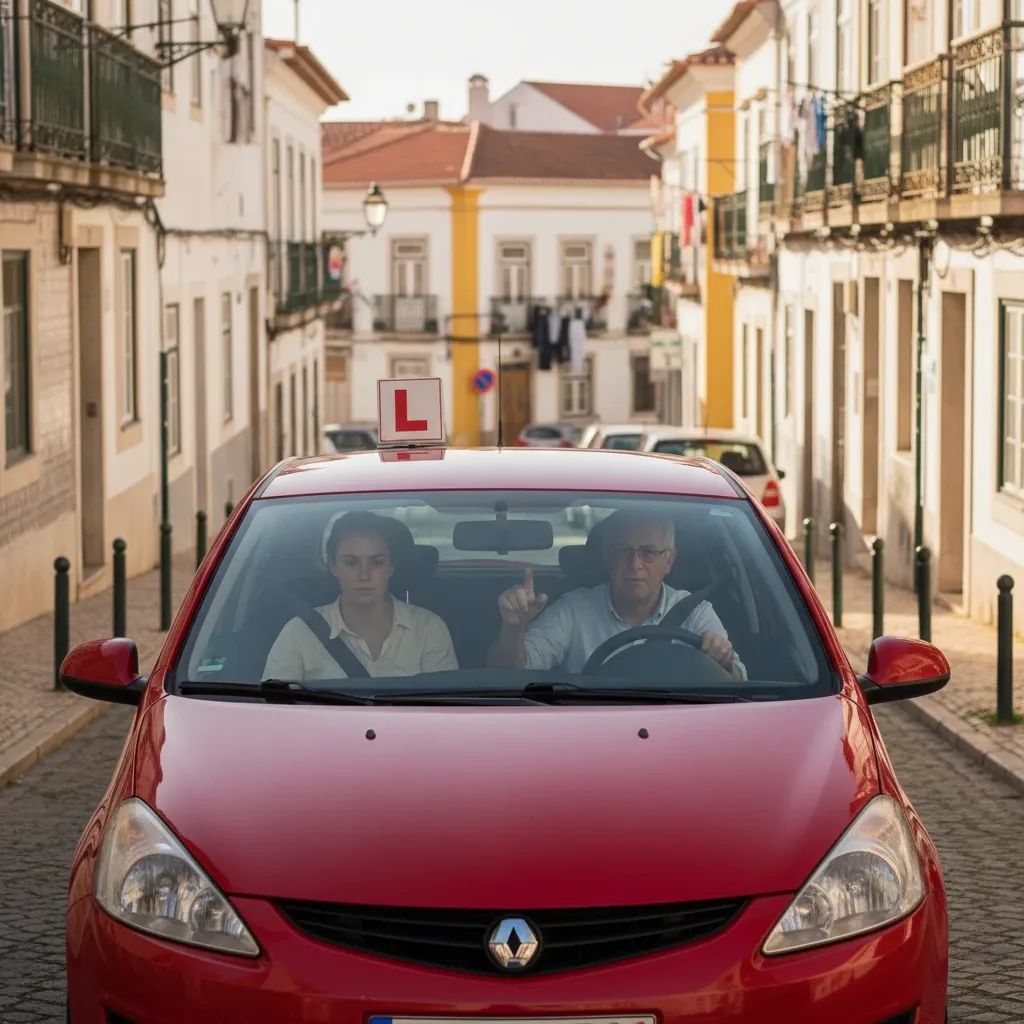
The Portugal Ministry for Infrastructure and Housing has green-lit a new “learning-with-family” pathway for car licences, a shift that could trim hundreds of euros from the average learner’s bill—but has already triggered a storm over road-safety standards.
Why This Matters
• Lower upfront cost – skipping the first 12 paid lessons can save nearly €400 in urban driving schools.
• Home-town practice – candidates may clock 500 km on roads they already know, easing test anxiety.
• Still optional – the classic driving-school model remains available for those who prefer professional supervision.
• Insurance loophole closed – a new third-party policy is mandatory, so any crash in tutoring sessions no longer affects the family’s regular premium.
How the Tutor Model Works
Under the so-called Regime de Tutoria, a learner aged 18+ can complete their initial 12 practical hours with a private tutor instead of a certified instructor. The tutor must:
• hold a Category B licence for at least 10 years;
• show a clean record—no serious offences or drink-driving convictions in the last 5 years;
• ride in the passenger seat while the learner covers 32 hours and at least 500 km in total.
Unlike the 2014 rules, today’s version scraps the compulsory tutor-training seminar. The learner simply emails the driving school a declaration confirming the tutor’s eligibility, then books the remaining mandatory school lessons later. Municipal councils will draw geographic limits, likely excluding motorways and dense city centres during rush hour.
Safety Debate: Schools vs Government
Driving schools, led by ANIECA, brand the reform a “step backwards”. Their core objections:
• Diluted instruction – family cars lack dual pedals, leaving tutors unable to intervene instantly.
• Regulatory retreat – Portugal still tops the EU’s road-death rise league table of the last three years.
• Tutor motivation – no vetting of teaching skills, only licence tenure.
The Automobile Club of Portugal (ACP) warns that similar schemes in Norway were rolled back after accident spikes. Government officials counter that France, Belgium and parts of the USA report higher pass rates when learners spend more hours behind the wheel, even if some are with relatives.
Costs & Insurance
Lisbon’s average package of 32 practical hours costs about €1,250. Substituting the first dozen with a tutor could push that figure down to €850–900. However, learners must purchase a bespoke liability policy—roughly €60–€90 for three months—covering bodily injury and property damage during tutoring sessions.
For families already grappling with €1.80/litre fuel prices, the savings may offset the new premium, especially if practice routes stay within the learner’s district and close to home.
Timeline and Next Steps
• The decree was approved in January 2026 but enters force only after the IMT publishes technical guidelines—expected by early spring.
• Councils have 90 days to map permitted zones once the decree is live.
• Learners may sit theory or practical exams in English, French or Spanish, a first for Portugal.
What This Means for Residents
For a Portuguese household with a teenager eager to drive, the tutor regime offers three concrete benefits:
Budget flexibility – distribute expenses over six months instead of paying a lump-sum school fee upfront.
Schedule control – weekend or late-night practice sessions no longer depend on an instructor’s calendar.
Tailored confidence-building – practising on regular school-run routes can reduce early-career stress.
Yet residents should weigh those perks against real-world risks: no dual pedals, limited insurance cover above policy caps, and the possibility that the driving school will still demand extra paid hours if it feels the candidate is under-prepared. In short, the new law hands families more freedom—and more responsibility—behind the wheel.


