

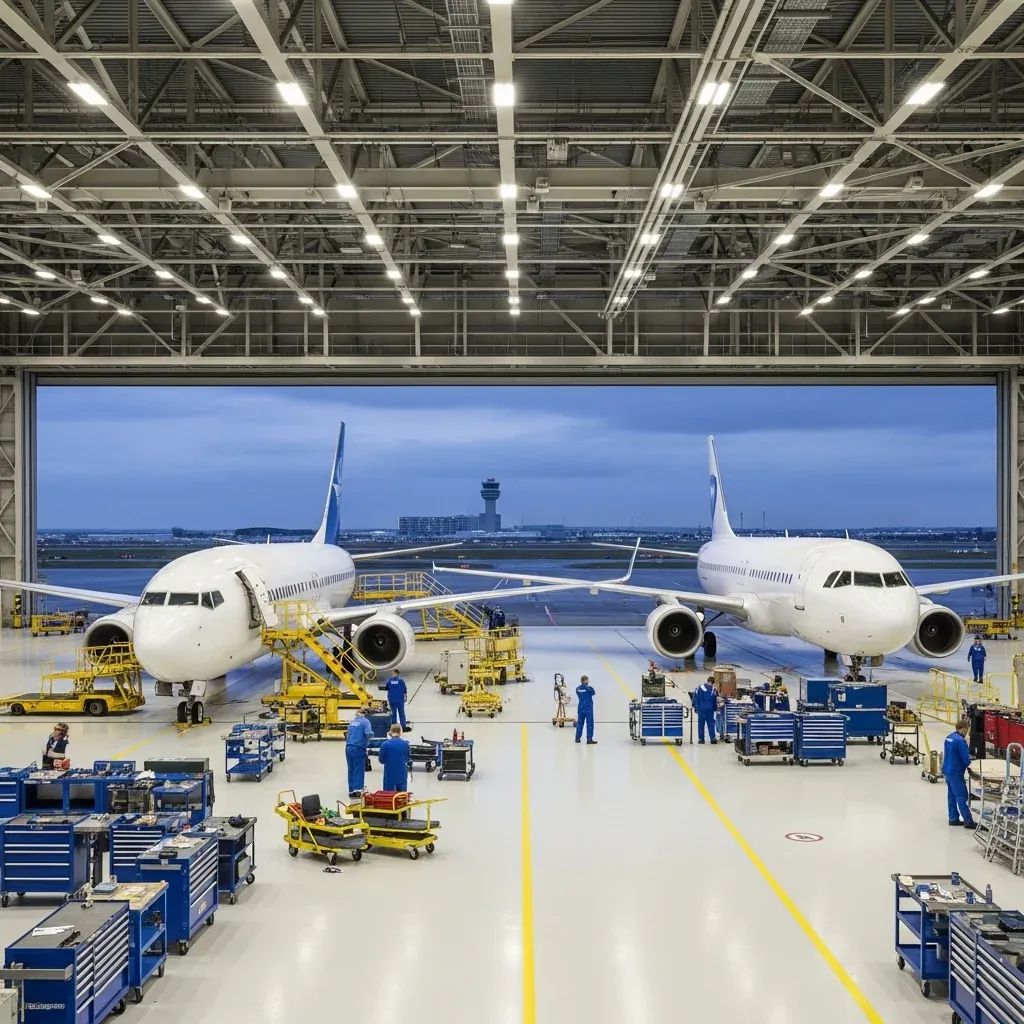
A discreet but decisive move by TAP Air Portugal is set to reshape the country’s aviation landscape: a €20 M outlay to build a maintenance hub in Porto that promises quicker aircraft turn-arounds, new skilled jobs and a welcome economic pulse for the north.
Quick Look
• €20 M investment earmarked for Porto airport grounds
• New 10,000 m² hangar plus workshops and training labs
• Up to 300 direct jobs and 800 indirect roles projected
• Part of TAP’s post-restructuring fleet reliability plan
• Ground-breaking slated for Q2 2026 once permits are cleared
A vote of confidence in the North
For years, residents of the Porto metropolitan area complained that major infrastructure announcements gravitated toward Lisbon. By committing fresh capital north of the Douro, TAP signals that it intends to spread its operational footprint and tap into Porto’s robust engineering talent pool turned out by local universities such as FEUP and ISEP. Regional officials say the project dovetails with ongoing efforts to turn Francisco Sá Carneiro Airport into an Atlantic gateway for high-tech industry and tourism alike.
Inside the new facility
At the heart of the plan sits a purpose-built hangar large enough to house two Airbus A321LRs side by side, surrounded by dedicated bays for avionics, cabin retrofits and paint touch-ups. The blueprint includes:
• A materials-testing lab equipped for non-destructive inspections
• A climate-controlled warehousing zone to store spare parts sourced from suppliers in Maia and Matosinhos
• A smart logistics platform that uses RFID tracking so mechanics know the exact location of every component in real timeBy moving much of this work closer to where several medium-haul jets overnight, TAP expects to shave at least six operational hours per aircraft during routine checks—time that can be redirected to revenue-generating flights.
Jobs, supply chains and upskilling
The carrier’s preliminary filing with AICEP forecasts 300 direct hires once the hub reaches full capacity in 2027, spanning aeronautical engineers, sheet-metal technicians and software specialists. An additional €8 M will pour into local subcontractors supplying composites, upholstery and catering modules. Paulo Vaz, who heads the Association of Northern Industry, argues that “each euro spent on aircraft maintenance typically multiplies into €3 of regional output, given aviation’s long supply chains.”
To guard against talent shortages, TAP is co-designing an apprenticeship track with the Aeronautics + Space cluster in Évora, including paid stints in Porto that culminate in European Part-66 certification. The arrangement aims to stem the outflow of young engineers to Germany and the Gulf.
A necessary step in TAP’s turnaround
Since clearing the European Commission’s state-aid probe in late 2021, TAP has methodically outsourced fewer heavy checks and rebuilt its punctuality record. The Porto hub forms the third pillar of a reliability programme that already introduced predictive maintenance software and bulk-purchased CFM engine spares at discount. Analysts at Caixa BI estimate that every 1-point improvement in fleet availability translates into €15 M in annual revenue across TAP’s network.
Meanwhile, the government still plans to privatise a majority stake in the flag-carrier before year-end. A northern base capable of handling next-generation Airbus narrow-bodies could lift TAP’s valuation when bidders—from the Lufthansa group to Air France-KLM—scrutinise operational synergies.
Timeline and what to watch
March 2026 – Final environmental permit expected
Q2 2026 – Ground-breaking ceremony and contractor mobilisation
Summer 2027 – Hangar structure topped out; first recruitment wave opens
Early 2028 – Facility enters service with an A-check on an A320neo
Residents of Greater Porto may not hear the rivet guns for another year, but when they do, the sound will signal more than construction—it will mark a strategic attempt to anchor Portugal’s aviation know-how firmly along the Douro coast.


