Portugal’s traffic police have spent the last ten months pulling an average of 26 intoxicated motorists off the road every day, a pace that has already pushed arrests for drink-driving to 4,384 between 1 January and 31 October 2025. Behind that headline figure lies a 29.3 % surge in alcohol-related offences, intensified roadside checks and a policy debate that could lower the legal blood-alcohol limit as early as next year.
Sharp Rise in Alcohol-Related Arrests
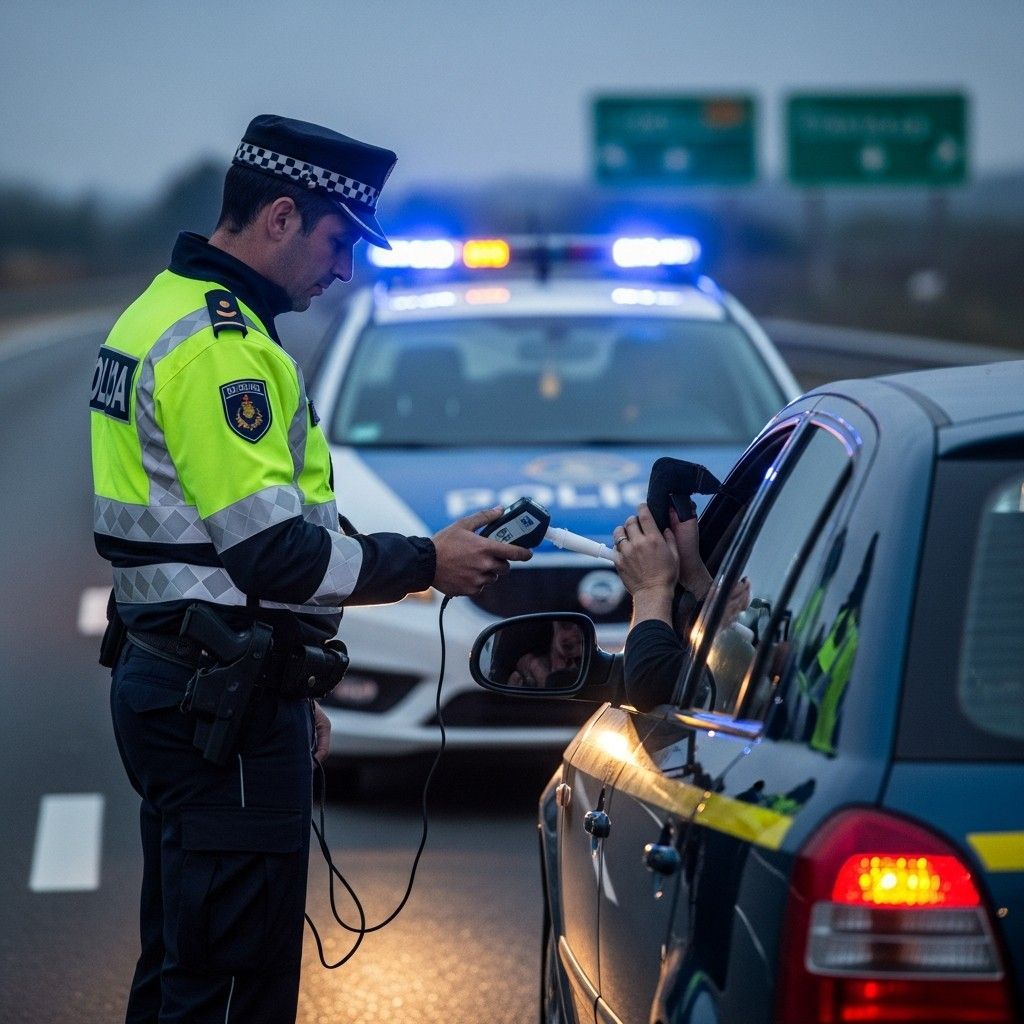
The Public Security Police (PSP) confirm that the jump of 1,129 additional arrests over the same period of 2024 came after conducting 20,139 dedicated traffic operations. During those blitzes, officers approached 604,529 vehicles and administered 169,101 breath tests, uncovering 7,986 violations that range from crimes—blood-alcohol levels at or above 1.2 g/l—to lesser administrative cases. The growth is not simply statistical; it speaks to a more assertive enforcement strategy that senior PSP officials describe as “zero tolerance for impaired driving.”
The Engine Behind the Numbers
Road-safety analysts point to a trio of factors. First, the nationwide campaign branded “Taxa Zero ao Volante” ran high-visibility checkpoints in August and November, deliberately coinciding with holiday weekends when alcohol consumption typically climbs. Second, Portugal has seen a modest post-pandemic rebound in nightlife and tourism; busier city centres translate into denser traffic after midnight, which in turn offers police a wider net. Third, digital mapping of previous accident clusters has enabled the PSP to position patrols on motorways and urban ring roads that carry the highest collision risk. That data-driven tactic, officials say, explains why arrests accelerated despite largely unchanged staffing levels.
Human Cost on the Asphalt
While final accident statistics for 2025 will not be published until early 2026, preliminary hospital and autopsy reports still echo last year’s grim pattern: one in four drivers killed in crashes had at least 0.5 g/l of alcohol in the bloodstream, and three quarters of those victims were well above the criminal threshold. Even more sobering, alcohol-related collisions account for a disproportionate share of fatalities—about one in five deaths— even though they represent less than 8 % of total crashes. Emergency-medicine specialists warn that reaction time begins to deteriorate with as little as 0.3 g/l, long before a motorist would fail Portugal’s current legal test.
Lower Limit Under Consideration
The National Road Safety Authority (ANSR) has formally placed a stricter ceiling of 0.2 g/l on the agenda for its Vision Zero 2030 consultation, due to be launched in December. Advocates argue that matching Spain’s proposed threshold would align Portugal with a growing European consensus. The Portuguese Society of Alcohol Studies backs the move, citing research that a cut of just 0.3 g/l could prevent dozens of deaths each year. Critics counter that enforcement, not legislation, should remain the priority; yet the latest PSP tallies are fuelling political momentum for change.
Voices From the Field
Inspector-Chief Marta Nunes, who oversees Lisbon’s night patrols, says the bigger story is deterrence: drivers have begun sharing checkpoint locations on social media, a trend she interprets as proof that “people know they will be caught.” António Oliveira, a veteran trauma surgeon at São José Hospital, applauds the stepped-up policing but calls for compulsory alcohol-interlock devices in repeat offenders’ vehicles. Meanwhile, insurance actuaries forecast that premiums could fall by up to 15 % if the stricter limit and sustained enforcement halve alcohol-linked crashes by 2030. In short, Portugal stands at a pivotal moment where road patrols, medical evidence and public opinion converge around the same message: sober driving saves lives.