
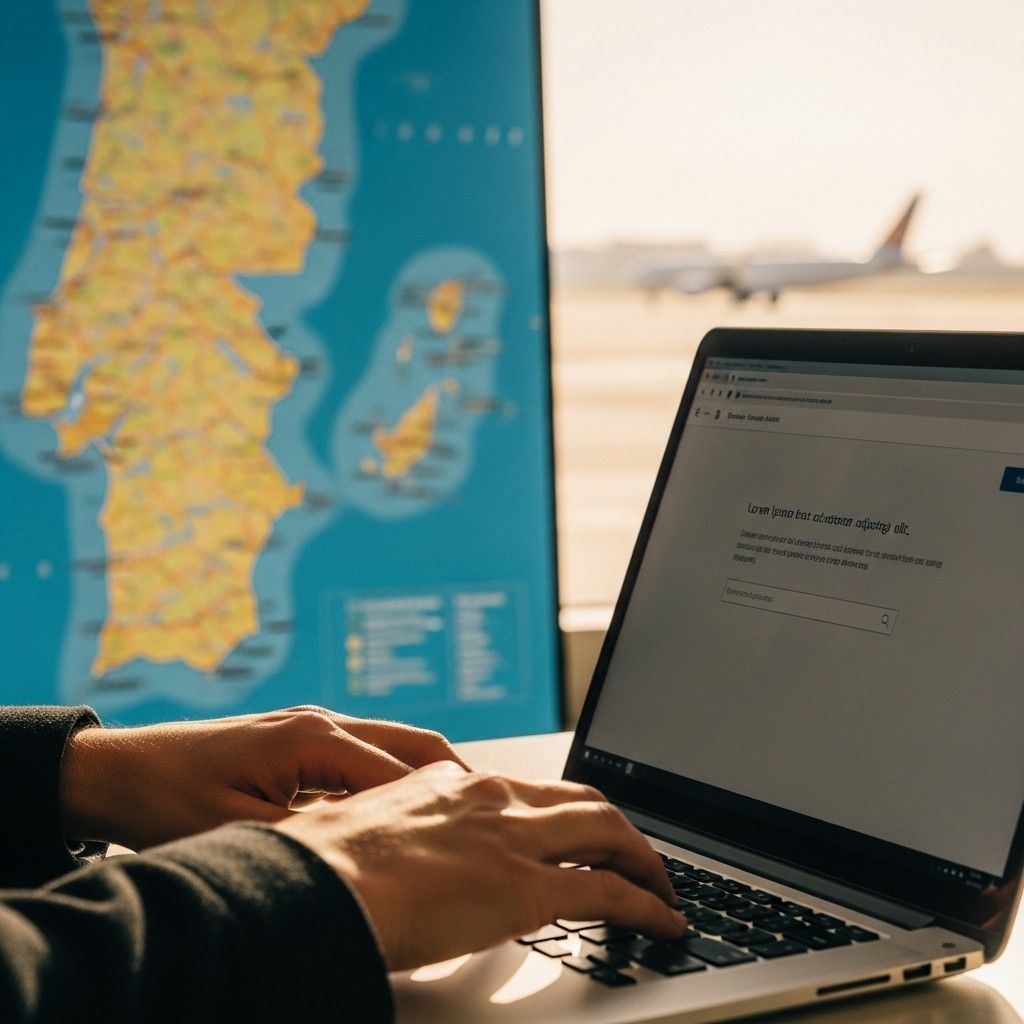
Residents of Portugal’s outermost regions are about to see the most tedious part of flying home—the weeks-long wait for reimbursement—reduced to a matter of hours. When the new digital refund tool for the subsídio social de mobilidade goes live on 7 January 2026, authorities promise a two-day pay-back window that replaces the current 15-day average. The change, announced by the Ministry of Finance and fine-tuned with CTT support, targets travellers from Madeira and the Azores, who have long front-loaded the full fare in order to benefit later from capped prices.
Countdown to faster refunds
For years, islanders have had to advance the entire ticket price, email scans of travel receipts, queue in post offices and then wait, often well into the next credit-card cycle, before seeing a cent returned. By moving every step online, the government hopes to translate mainland-style convenience into territorial cohesion. The new platform arrives six months after lawmakers approved Decreto-Lei 37-A/2025, which harmonised two regional rules and cleared a path toward a single, nationwide back-office. Officials stress that a short pilot phase will still lean on CTT cashier services, yet the goal is a fully autonomous portal managed by a specialised unit inside the finance ministry by June.
How the platform works in practice
A resident will log in with a Chave Móvel Digital, upload the e-invoice, confirm the taxpayer number of the airline and hit send. Within minutes, an algorithm checks whether the fare falls under the €400 Madeira and €600 Azores eligibility ceilings; if the answer is yes, the subsidy is queued for payment. Crucially, the claim can be filed the moment the ticket is purchased, not after the flight has landed. Authorities will cross-reference border-control data to ensure the journey is actually taken; a no-show triggers an automatic reversal of funds and potential penalties. The entire user journey, from receipt upload to approval, has been timed in internal tests at under five minutes.
What changes for island travellers
Price caps themselves remain untouched: return trips are locked at €79 for Madeira residents, €59 for Madeira students, €119 for Azoreans, and €89 for Azorean students, figures that have stayed frozen for three budget cycles. What changes is cash-flow stress. A family flying Funchal-Lisbon at Christmas typically shoulders over €300 up front and waits until mid-January for relief; next year their account should be credited before the festive lights are switched off. The move also removes the need to visit a physical branch—a significant gain for Porto Santo or Corvo residents, where the nearest service counter may involve an inter-island hop.
Looking beyond reimbursement: ending upfront payment
Finance officials say the January launch is only phase one. The long-term ambition is a net-price model in which passengers pay only the subsidised cost at checkout, with the Treasury settling the remainder directly with airlines. Legal teams are exploring a deferred-debit card tied to the platform that would allow the state to guarantee the fare without exposing travellers to credit risk. That idea still requires talks with the European Commission’s State-aid unit, yet Lisbon is confident the measure can clear Brussels scrutiny by 2027.
Budget, oversight and unanswered questions
Exact outlays for the scheme remain buried in the broader €8.69 B infrastructure and housing envelope approved for 2026. Officials insist the digital shift will actually shave processing costs thanks to fully automated fraud checks, real-time data matching and reduced paper handling. Transparency groups, however, want annual audits to be published in plain language, citing lessons from earlier IT roll-outs that ran over budget. The finance ministry has pledged a first public dashboard of performance metrics—including average refund speed and regional breakdown—by the end of the first quarter.
What islanders should do now
Island councils are already urging residents to activate their Chave Móvel Digital, update bank details on the Portal das Finanças and keep digital copies of future tickets, as paper uploads will be rejected. While the interface is billed as smartphone-friendly, the government will maintain telephone hotlines and in-person help desks at citizen-shop counters for travellers with low digital literacy. With the holiday-season airfare surge looming, the ability to reclaim money in 48 hours could translate into a quieter start to 2026 for thousands of families scattered between the capital and the archipelagos.


