

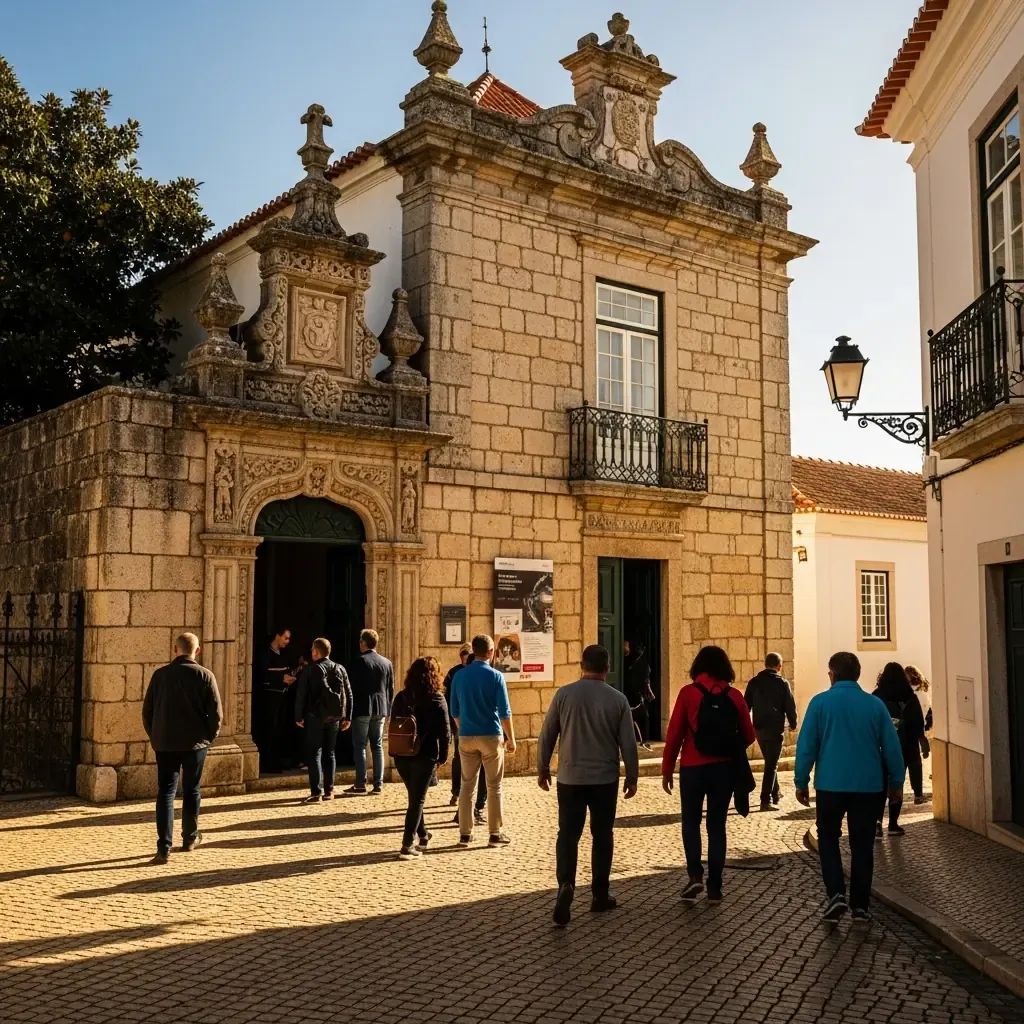
The Algarve’s bustling coastline added an unexpected star attraction over the past year: its museum circuit. Loulé, better known for golden beaches and top-notch golf, quietly smashed its own visitation records, hinting at a shift toward culture-driven tourism that lasts well beyond the summer rush.
A springboard for year-round tourism
Tour operators in Lisbon and Porto have long fretted that the Algarve is a July-and-August story. Loulé’s museums just proved otherwise. By drawing 235,445 visitors—an 11% jump on 2024— they offered regional planners a fresh argument for spreading holiday traffic across the calendar. April and October, months that usually bookend the high season, were the stand-out performers, together delivering more than 55,000 entries. That pattern, officials say, dovetails with the Algarve tourism board’s push for a “365-day destination.”
Where the crowds went – and when
Inside the numbers lies a mini geography lesson. The bulk of tickets were scanned at the Municipal Museum’s main building in the historic heart of Loulé, but satellite venues told a different story:
• Convento do Espírito Santo Galleries pulled art-hungry day-trippers from nearby resorts.
• Convento de Santo António became an architectural magnet after its recent restoration.
• The breezy Praça do Mar gallery in Quarteira lured beachgoers seeking shade and a little culture.
April’s surge coincided with the Easter break, while an unexpected October spike aligned with the British and German half-term holidays—a reminder that Algarvian visitor flows often follow northern European school calendars.
Education at the heart of the boom
Behind the headline figures sits a busy classroom. Museum staff rolled out 189 tailor-made workshops for 4,339 pupils, turning archaeology shards and medieval manuscripts into hands-on science projects. The goal is twofold: boost heritage literacy and, just as crucially, foster a sense of belonging among children growing up in a tourist hotspot where identity can feel fluid. Local teachers say the programme has become a fixture on the school calendar, “as essential as the annual trip to Lisbon’s Oceanarium,” in the words of one primary head.
Adults discover a “third place”
Culture officials like to call museums “living rooms of the city,” and Loulé’s adult attendance figures fit the slogan. 40,672 residents and long-stay expats joined lectures, pottery circles and tertúlias—informal debate nights—spread across 180 events. The municipality frames this as a direct attack on social isolation, a challenge that spikes during winter when tourism jobs dry up. A retired Dutch resident who attends the weekly ceramics class put it simply: “It stops the months from blurring together.”
How Loulé stacks up against its neighbours
Public data for 2025 are still patchy, but the most recent numbers suggest Loulé is now punching above Faro and Portimão in museum footfall. Faro’s Municipal Museum welcomed 38,223 visitors in 2023 and has not yet released 2025 figures, while Portimão’s museum is focused on awards rather than attendance disclosures. The comparison may spur friendly competition—and perhaps new joint ticketing schemes that could make the Algarve’s cultural offer feel more like a network than isolated islands.
What to watch for in 2026
City hall is not resting on its laurels. Although the 2026 budget tilts heavily toward housing and health, the rehabilitation of Quarteira’s historic casino and a forthcoming Education & Culture Centre with a municipal dance school hint at fresh synergies between leisure and learning. Meanwhile, a January conference series titled “Museu Hoje. De que Museus Precisamos?” will invite scholars to rethink the role of regional museums in a post-pandemic, climate-aware world.
Quick takeaways for residents
Free entry for locals on the first Sunday of every month remains intact—mark the calendar.
New multilingual signage is coming, including Braille panels funded by EU cohesion money.
Look out for pop-up exhibitions in rural parishes; the Museum’s outreach truck logged 3,500 km last year.
Without fanfare, Loulé’s cultural spaces have become a case study in how small-to-medium Portuguese cities can leverage heritage for social good and economic resilience. For Algarve residents keen to enjoy the region without the beach crowds, the message is clear: the best days to visit a museum may now be the ones when the sand is empty.


