
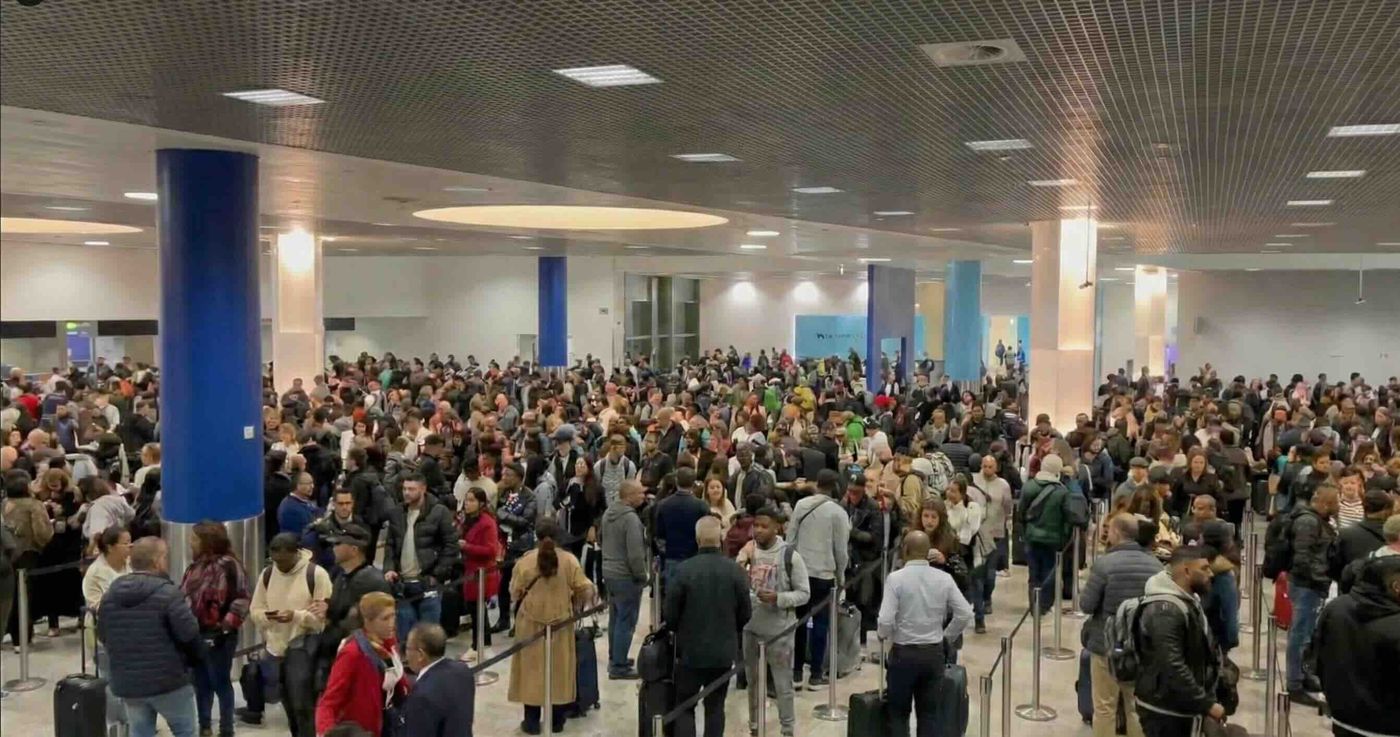
On Thursday, 11 December, Lisbon’s Humberto Delgado Airport is the most visible stage for Portugal’s first nationwide general strike in more than a decade. With public transport reduced across the country and much of the aviation system running on “minimum services” only, departure boards at Lisbon are studded with cancellations and long delays as airlines pare back their schedules.
What’s happening at Lisbon Airport today?
The impact at Lisbon is severe but not chaotic. In the days leading up to the strike, both the government and airlines warned that 11 December would bring “mass cancellations” and “sharply reduced operations” at all major Portuguese airports, with Lisbon and Porto expected to be hit hardest.
National carrier TAP Air Portugal has trimmed its schedule down to a bare-bones operation: just 29 flights in total are running under legally mandated minimum-service rules, 28 of them from Lisbon and one from Porto. That leaves most of TAP’s usual departures grounded, including many European and domestic links that expats and residents rely on to connect to the islands and to other EU hubs.
Long-haul connectivity is also taking a hit. Etihad has cancelled its Abu Dhabi–Lisbon rotation for today, citing the paralysis of airport operations caused by the strike. Emirates likewise suspended its twice-daily flights between Dubai and Lisbon for 11 December, warning travellers of “significant disruption” due to industrial action.
For passengers inside the terminal, that translates into three very different experiences at once:
- Some lucky travellers whose flights are among the protected “minimum service” departures are checking in more or less as normal, albeit with longer queues and occasional last-minute gate changes.
- Others are stuck landside, trying to rebook after cancellations that were announced late on Wednesday or early this morning.
- A third group is using Lisbon merely as a waiting room while they scramble for alternative routes via Madrid, Paris, London or other hubs still operating normally.
Who is striking — and why?
Today’s disruption isn’t limited to aviation. Portugal’s two largest union confederations — the General Workers’ Union (UGT) and the General Confederation of Portuguese Workers (CGTP) — have called a joint general strike in protest at the centre-right government’s proposed labour-law overhaul.
At the heart of the dispute are draft changes that would:
- Make it easier for companies to dismiss staff
- Curb the right to strike in more sectors
- Tighten rules on breaks, including breastfeeding breaks for working mothers
Unions argue that, against a backdrop of low wages, a housing crisis and still-elevated inflation, the reforms amount to a rolling back of hard-won protections. The government counters that more flexibility is needed to keep Portugal competitive and attract investment.
Because the strike cuts across multiple sectors — including airport staff, air-traffic support services and surface transport — its impact on Lisbon Airport is broader than the more narrowly targeted walkouts the country has seen in recent years, such as ground-handling strikes in Lisbon, Porto and Faro.
How airlines and the airport prepared
If there is a silver lining for travellers, it is that much of today’s pain was forecast in advance. Travel-advisory services and passenger-rights organisations spent the last two weeks urging anyone with a flexible itinerary to shift flights away from 11 December or reroute via non-Portuguese hubs.
Key steps airlines and the airport operator took ahead of time include:
- Proactive cancellations: TAP and other carriers cancelled large blocks of flights several days in advance, offering free date changes within a limited window.
- Minimum-service scheduling: Under Portuguese law, arbitration tribunals can impose minimum services for essential transport. For Lisbon Airport, that has translated into a skeletal schedule focused on island connections and strategic European hubs.
- Passenger waivers: Airlines from outside Portugal, including Gulf and European carriers, issued waivers allowing passengers to move flights away from 11 December without extra fees, or to rebook via alternative cities.
Even so, not everyone took the warnings seriously, and some travellers only discovered the extent of the disruption upon reaching the terminal this morning.
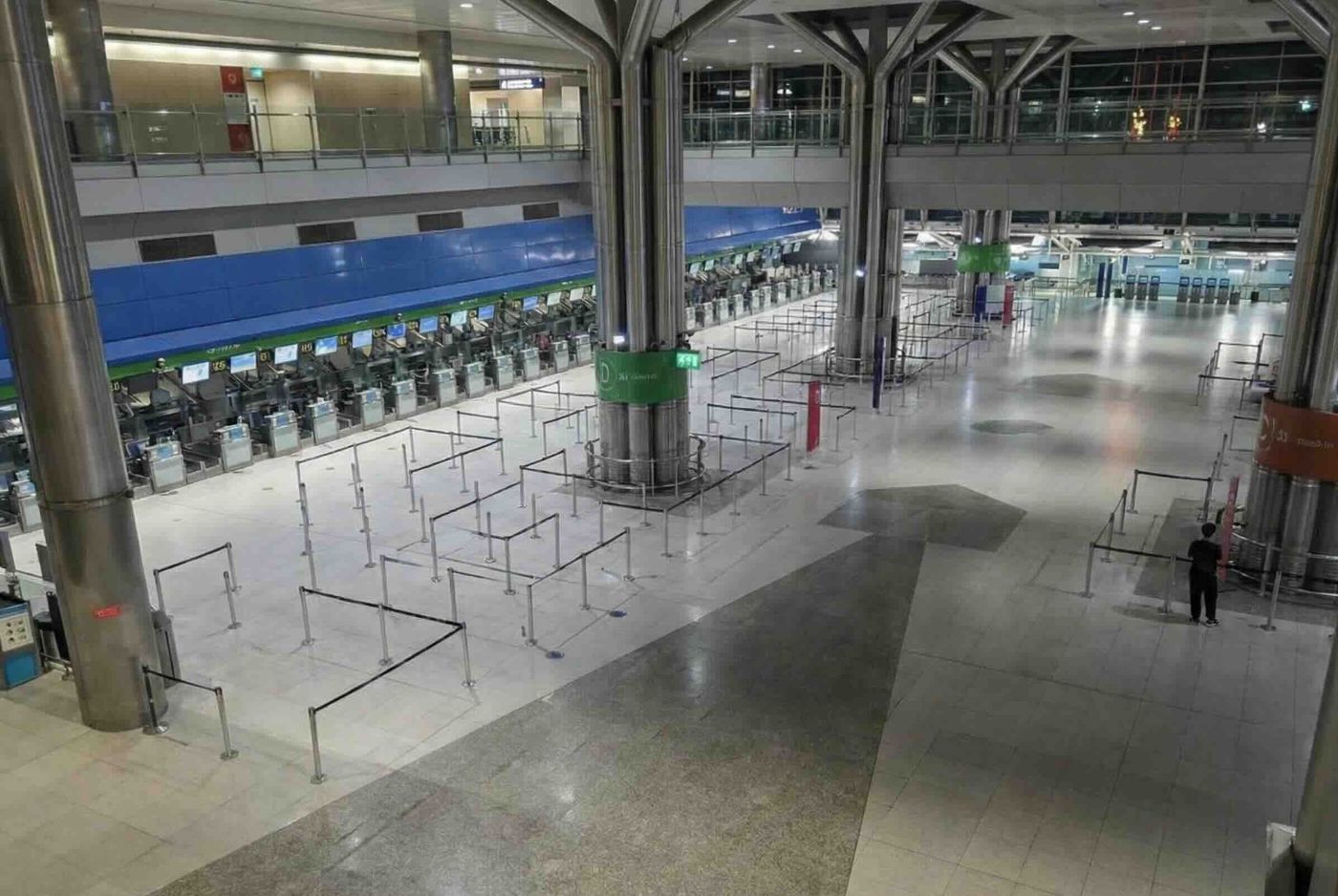
If you’re at Lisbon Airport today: survival tips
For foreigners living in Portugal, digital nomads between long-haul hops, or first-time visitors arriving with dreams of pastéis de nata, today is a crash course in how a general strike reshapes travel. Here’s how to navigate it.
Check your flight status obsessively
Departure boards and the airport website give an overview of delays and cancellations, but updates from individual airlines’ apps and SMS alerts are often faster — especially when a flight switches from “delayed” to “cancelled” after crews or slots fall through.
If your flight is still scheduled to operate, build in extra time for security queues, gate changes and slower-than-usual boarding.
Understand your basic rights
Under EU air-passenger rules (Regulation 261/2004), airlines must provide care — meals, refreshments and, if necessary, hotel accommodation — when flights are significantly delayed or when passengers are stranded overnight, regardless of who is to blame.
Cash compensation is more complex. Many airlines classify nationwide general strikes that affect airport infrastructure as an “extraordinary circumstance” beyond their control, which can limit entitlement to the usual €250–€600 payouts for cancellations and long delays. Case law is evolving, and some advocacy groups argue that not all strike-related disruptions should be exempt. If in doubt, it is still worth filing a claim or consulting a specialist service.
Regardless of compensation, you always have the right to choose between:
- Rerouting to your final destination at the earliest opportunity, or
- A full refund of the unused part of your ticket (and sometimes the used part, if the trip no longer makes sense)
Look beyond Lisbon
With much of Lisbon’s schedule decimated, the usual advice to “just wait for the next flight” may not work. Travellers are instead:
- Re-routing via Madrid, Paris or London using rail or low-cost links from Porto or Vigo
- Switching to long-distance trains for domestic journeys, particularly to Porto and the Algarve
- Using coaches or car-sharing apps to bridge gaps where regional rail is also disrupted.
Booking in Portuguese on local train and bus websites can sometimes unlock lower fares than English-language portals — a trick seasoned expats already know.
Keep receipts and screenshots
If your airline provides meals or hotels directly, keep the vouchers. If you have to pay out of pocket, save every receipt and take screenshots of cancellation notices and boarding passes; you may need them later to claim reimbursements or compensation under EU rules or your travel insurance.
What this means for expats and frequent flyers
For many foreigners who have chosen Portugal for its mix of sunshine, relative affordability and easy links to the rest of Europe, today’s events are a reminder that industrial relations here can be as turbulent as anywhere else — and that your travel plans are only as secure as the political climate underneath them.
The current general strike is about more than airports; it touches on fundamental questions of job security, the cost of living and how far a government can go in loosening labour rules without sparking a backlash. Whatever compromise emerges in the coming weeks, unions have already shown that coordinated action can bring much of the country, including its main gateway airport, close to a standstill.
For now, the practical takeaway is simple: if you live in Portugal or visit often, keep an eye on union calendars as closely as you watch airfares. And on days like today, pack extra patience along with your passport.


