
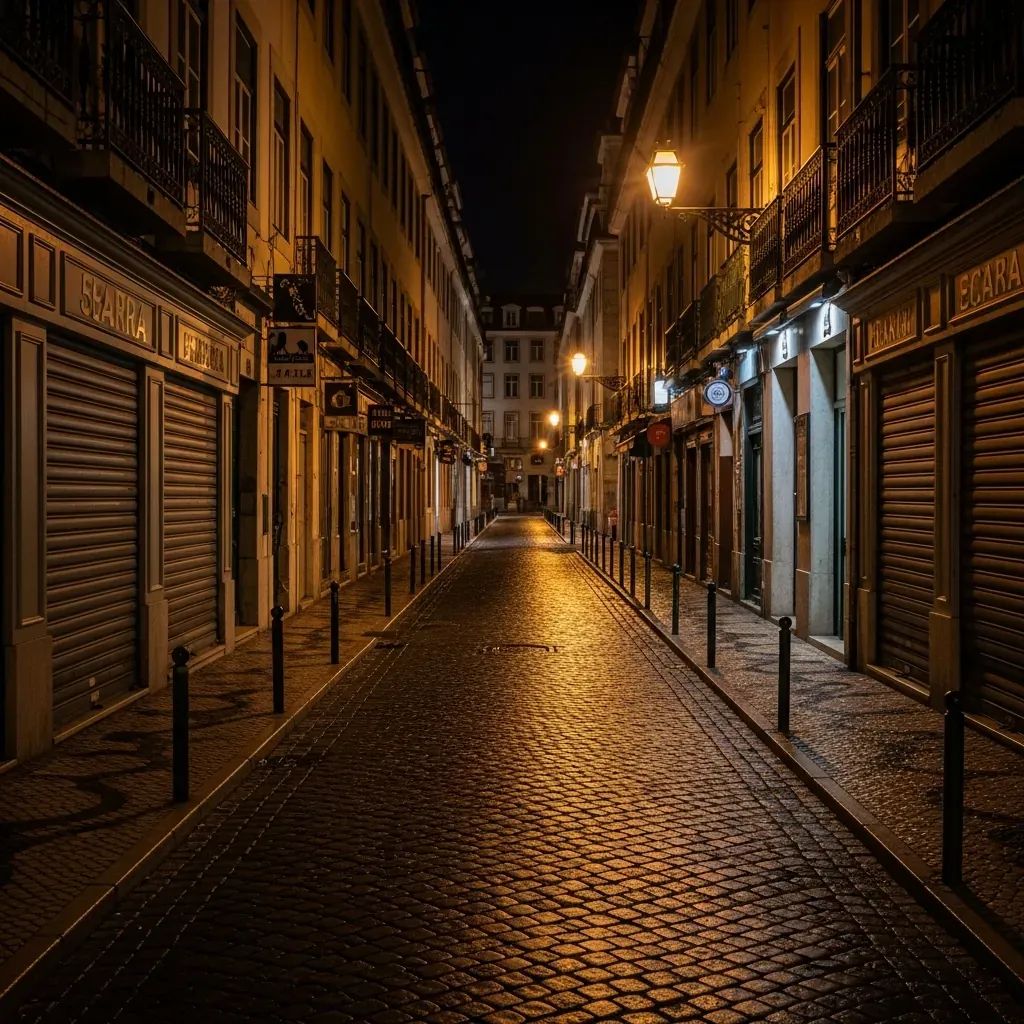
Lisbon is about to test how far a city can go to protect residents’ sleep without throttling its night-time economy. Starting in mid-February, bars, cafés, petrol stations and even hotel minibars will be barred from selling takeaway alcohol after 23:00 on most weeknights. The measure has split opinion between locals exhausted by street noise and a hospitality sector that fears another blow after years of pandemic and inflation.
The New Rules in a Nutshell
• Take-away alcohol sales banned city-wide 23:00-08:00 Sunday-Thursday and 00:00-08:00 Friday, Saturday & holiday eves
• Applies to restaurants, bars, fado houses, nightclubs, convenience stores, filling stations, hotels and more
• Drinking inside the venue or on licensed seated terraces stays legal
• Home-delivery remains allowed; Festas de Lisboa in June are exempt
• Fines run from €150 to €1 000 for individuals and €350 to €3 000 for businesses
Why City Hall Feels the Clock Is Ticking
Lisbon’s conservative mayor, Carlos Moedas, says the curfew on takeaway booze addresses a surge in night-time complaints—particularly in packed quarters such as Bairro Alto, Cais do Sodré and Alfama. Municipal hotlines logged thousands of calls last summer over shouting, speakers on balconies and glass bottles smashed at 04:00. City officials argue that the link between street drinking and noise is obvious, and that cutting off supply at source is quicker than rewriting Portugal’s outdated noise codes.
Neighbouring capitals have walked similar paths. Barcelona restricts off-licence sales after 23:00; the Catalan municipality reports a 30 % drop in alcohol-fuelled incidents. Paris relies on district-by-district decrees, while Berlin used pandemic-era bans to thin late-night crowds. Lisboa’s town hall insists it is merely catching up with Europe’s playbook for quality-of-life urbanism.
Hospitality Pushes Back Hard
For the AHRESP trade group, the regulation feels like another punch after energy spikes and staffing shortages. Secretary-general Ana Jacinto warns the blanket timetable is “disproportionate” because:
Tourist hotspots and residential suburbs do not share the same problems.
Customers will simply buy earlier or shift to informal vendors, undercutting legitimate businesses.
Hotels that count on mini-bar or lobby kiosks for margin face a direct hit to revenue during peak arrival hours.
The association representing Bairro Alto bars echoes the sentiment, branding the curfew “mis-targeted” and calling instead for stricter policing of street drinking itself. Operators fear a scenario where revelers bring supermarket cans from outside the city limits and the noise persists while legal venues lose sales.
Supporters See Smarter, Not Smaller, Tourism
Pro-curfew voices, led by the Lisbon Tourism Association, flip the narrative: “Less alcohol on the pavement means more value per visitor.” Director-general António Vale argues that high-spending, culture-focused travellers are turned off by streets littered with bottles. Vale likens the policy to Amsterdam’s limits on party boats—part of a broader European pivot towards destination stewardship over volume growth.
Local resident groups, especially in Misericórdia parish, back the council. They note studies linking chronic sleep disruption to higher cardiovascular risk, and insist that public health overrides midnight beverage convenience.
How the Ban Will Be Enforced
The Municipal Police will patrol with portable decibel meters and body-cams, issuing on-the-spot fines. Repeat offenders risk temporary closure orders. A monitoring committee—including neighbourhood associations and trade bodies—must deliver a six-month impact report. City Hall hints that zones demonstrating good behaviour could win future carve-outs.
What It Means for Residents and Visitors
• Expect shorter takeaway queues at petrol stations after concerts.• Terrace culture remains intact, but only seated service counts.• If you rent an Airbnb, buying a late-night bottle will require delivery apps or stocking up earlier.• Hoteliers may pivot to room-service cocktails or bundle drinks into pre-paid packages, nudging prices up.
The Wider Picture: Portugal’s Balancing Act
Portugal prides itself on a relaxed, Mediterranean attitude to wine and socialising. Yet the Lisbon experiment underlines a shift toward noise-sensitive urban policy in a country where tourism hit €22 B in 2025. How the capital navigates this tension could set a template for Porto’s riverside bars, Albufeira’s strip and any municipality grappling with sleepless locals.
Key Takeaways
City-wide rules avoid accusations of gentrification but risk blanket collateral damage.
Hospitality margins—already thin—face extra pressure; expect lobbying for targeted exceptions.
Resident satisfaction will be the decisive metric when the six-month review lands.
Portugal’s image as a welcoming, late-night destination now hinges on whether quality can replace quantity.
Until then, Lisboetas may—finally—hear their own city’s famous silêncio after midnight.


