
Northern Portugal is quietly enjoying its most successful tourist season in decades, yet the visitor boom is unfolding on the region’s own terms—sustainable, distinctly local and deeply rooted in history. From Porto’s thriving riverfront to the granite peaks of Peneda-Gerês, 2025 is shaping up to be the year when residents and travellers alike rediscover how much the North has evolved without losing its soul.
Snapshot for Busy Readers
• Tourist numbers have already matched the whole of 2024 before the end of September.
• Authorities are funnelling millions into eco-projects in the Douro and Peneda-Gerês.
• New harvest experiences and design-led wineries are attracting high-value visitors.
• Porto will host the ICCA world congress, boosting business tourism.
A record-breaking year on the banks of the Douro
The statistics tell a compelling story: 7.4 M guests and 14.1 M overnight stays in 2024, with a further leap expected when the 2025 tally closes. International travellers now account for 63 % of all dormidas, a first for the region. Porto, unsurprisingly, soaks up 70.9 % of that traffic, and Francisco Sá Carneiro Airport has pushed past 15 M passengers. Local officials see the upswing as proof that the North’s strategy—less mass market, more authenticity—is paying off.
Porto: charisma under constant reinvention
Beneath the pastel facades and double-deck bridges that crowd Instagram feeds, the city is quietly pivoting. Start-ups are turning abandoned warehouses into gastronomy labs, while heritage cafés have extended hours to serve the influx from the USA, Spain and France—now 45 % of Porto’s foreign visitors. Even the beloved francesinha has a contemporary twist: several restaurants now offer plant-based versions that still bathe in the fiery secret sauce. With hotel occupancy running hot, locals are renting spare rooms and earning supplemental income that often covers a mortgage payment.
Douro Valley: quiet terraces, high-tech harvests
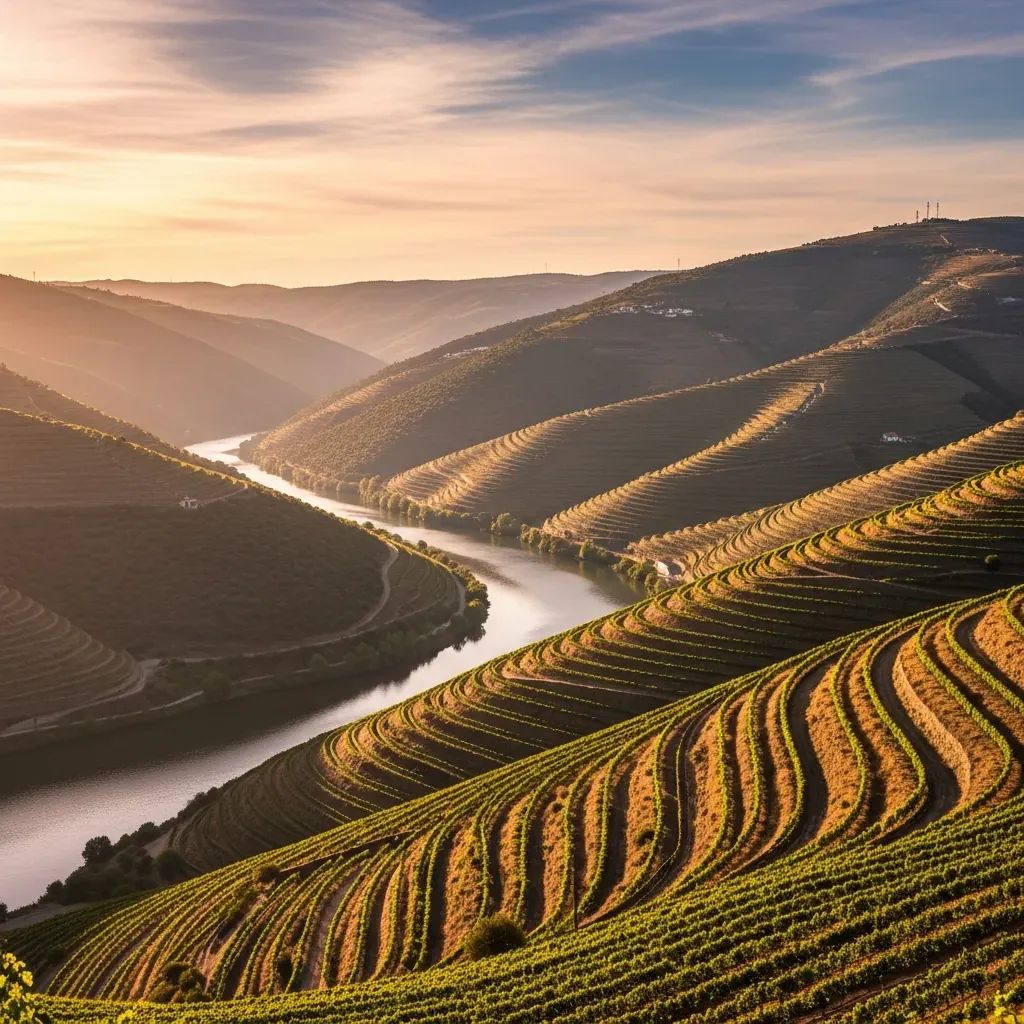
Along the sinuous river, summer sunsets still glaze the terraced slopes gold, yet behind the postcard calm lies a frenetic 2025 harvest calendar. The Ultimate Harvest Experience by Symington Family Estates sold out its €4,500 couples package in 10 days, promising foot treading at Quinta do Vesúvio and candlelit dinners overlooking century-old vines. Smaller quintas answer with day trips from €89, weaving Amarante stopovers, miradouros like São Leonardo de Galafura, and one-hour cruises from Pinhão. Sustainability remains non-negotiable: winners of the “Douro+Sustentável” prize must prove reduced water use and fair-wage policies before marketing the accolade.
Guimarães & Braga: birthplace of a nation, playground for creators
Walk Guimarães’ medieval lanes on a weekday morning and you will hear the clang of blacksmiths beside digital-art studios. Overnight stays climbed 11.3 % in the first half of 2024, fuelled by design festivals that repurpose cloisters and convents. Braga, meanwhile, wears its “Rome of Portugal” moniker lightly. Visitor numbers breached 680 k dormidas last year, with foreigners finally surpassing Portuguese guests. The baroque stairway of Bom Jesus do Monte still tests thigh muscles, but the reward now includes a free augmented-reality guide produced by a local start-up.
Peneda-Gerês: conservation becomes headline news
At Portugal’s only national park, the push to protect 89,574 ha of rare habitat has received a cash infusion. The 72 M € co-management plan funds everything from communal oven restorations to the new “Branda Científica de S. Bento do Cando,” a €3.8 M research hub opening trails to biologists and artists in equal measure. WWF Portugal’s “Re-Store” programme is already clearing invasive species, while the “Gerês Seguro 2025” campaign hands hikers pocket-sized codes of conduct. For residents, the projects mean seasonal jobs and a park less prone to summer wildfire closures.
Atlantic hush: Viana do Castelo and the long northern beaches
Far from the buzz of Porto, Viana sits where the Lima River meets the Atlantic, watched over by Santa Luzia’s domed basilica. Investment is subtle—boardwalks built with recycled plastic, discreet signage encouraging visitors to dine inland to offset coastal pressure. Up the coast, Afife and Moledo keep their promise of violet sunsets and surfing without queues. Local councils cap parking spaces near the dunes, nudging sun-seekers onto rail links that saw a 17 % spike in passengers this season.
Why the sustainability push matters at home
For people living in Portugal, the North’s tourism boom is a litmus test. 900 M € in hotel revenue circulates through family-owned cafés, artisanal bakeries and cork suppliers. Yet water shortages, waste management and housing affordability lurk in the background. By insisting on eco-lodges over mega-resorts and by steering visitors to the interior via Linha +Interior Turismo grants, municipalities aim to preserve what residents cherish: authenticity, affordability and wild spaces within an hour’s drive.
Practical pointers for residents planning a northern escape
Avoid the most crowded weekends—consult the municipal calendars that flag cruise-ship peaks. Book rail tickets at least 15 days in advance for discounts that reach 40 %. If you crave the Douro harvest without the €4,000 splurge, look for quintas advertising “Programa de Vindima”; prices hover around €120 and include lunch, grape picking and foot treading. Finally, pack layers: even in August, Peneda-Gerês evenings dip below 15 °C.
The road ahead
Northern Portugal’s allure has always been more whisper than shout. The difference in 2025 is that the whisper carries—across borders, across demographics and, crucially, across the economic spectrum. With new tech, tougher environmental rules and a cultural calendar that grows by the month, the region is demonstrating that growth does not have to come at the expense of character. For those of us fortunate enough to call Portugal home, the invitation is clear: head north, linger longer and witness the reinvention for yourself while the saudade is still tangible in the evening air.


