
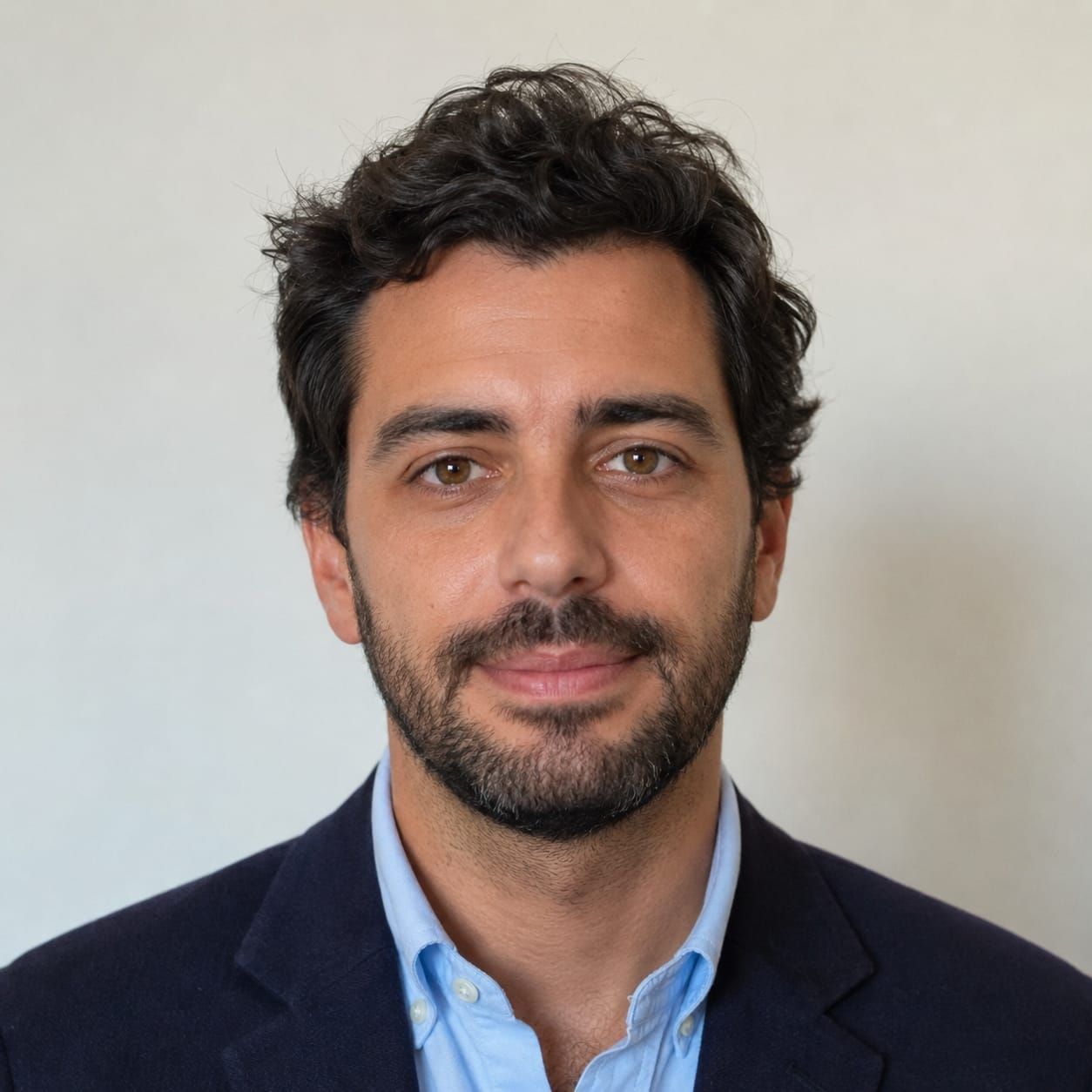

Kenyan marathoner Sebastian Sawe has shattered the two-hour barrier in an official race, clocking 1:59:30 at the London Marathon and rewriting the limits of human endurance. The achievement marks the first time a runner has broken this threshold under competitive conditions that satisfy World Athletics' stringent criteria—a feat long considered nearly impossible.
Why This Matters
• Historic milestone confirmed: Unlike Eliud Kipchoge's 2019 sub-two-hour run in Vienna (which used 41 rotating pacers and was not ratified), Sawe's time is recognized as the official world record.
• Portuguese connection: Third-place finisher Jacob Kiplimo set the half-marathon world record of 57:20 in Lisbon on March 8, cementing Portugal's role as a testing ground for elite distance running.
• Clean achievement: Sawe has undergone voluntary unannounced out-of-competition testing, offering a counternarrative to Kenya's ongoing doping challenges.
• Legacy reminder: Portuguese legends Rosa Mota (1991) and António Pinto (1992, 1997, 2000) remain among London Marathon champions, a reminder of the nation's own distance-running pedigree.
Three Runners Break the Old Record in a Single Race
The London Marathon produced ideal conditions for record-breaking performances, resulting in three runners faster than the previous world record. Ethiopia's Yomif Kejelcha, making his marathon debut, finished second in 1:59:41, becoming only the second man to officially dip below two hours. Uganda's Kiplimo took third in 2:00:28, also under the old mark of 2:00:35 set by Kenya's Kelvin Kiptum in Chicago on October 8, 2023.
Kiptum, who died in a car accident less than a year after establishing that record, had been widely expected to challenge the barrier himself. His loss cast a shadow over the sport, but Sawe—a protégé of Eliud Kipchoge, the two-time Olympic champion—has now fulfilled that promise.
Sawe's margin of improvement was significant: he trimmed 65 seconds from Kiptum's record, having entered the race with a personal best of 2:02:05. His finishing time places him alone in territory once thought nearly unreachable under standard competitive conditions.
Sawe's Breakthrough and Training Philosophy
Under professional guidance, Sawe has built a reputation as a dedicated and methodical marathoner. His achievement reflects years of consistent training and preparation aligned with elite marathon demands.
Sawe has now secured his second consecutive London Marathon title, following his 2025 win. That same year, he also claimed the Berlin Marathon, cementing his status as the world's most consistent marathoner.
Why This Record Is Official—and Kipchoge's Was Not
In 2019, Eliud Kipchoge ran 1:59:40 in Vienna's INEOS 1:59 Challenge, but the performance was not ratified as a world record. The reasons underscore why Sawe's achievement is fundamentally different:
• Pacers: Kipchoge used a rotating team of 41 world-class pacers running in a wind-shielding "V" formation, with a laser-guided car projecting his target pace. In official marathons, pacers must be genuine competitors who start with the field, are timed, and classified if they finish.
• Hydration: Kipchoge received water directly from a support cyclist. Official rules require runners to use designated hydration stations on the course.
• Course design: Vienna's event was a 4.4-lap circuit in Prater Park, optimized for speed. London's course is certified by World Athletics but features urban turns and elevation changes.
• Timing control: The Vienna start was chosen within a 72-hour weather window to guarantee ideal conditions. London is an annual fixture with standard race protocols.
World Athletics deemed Kipchoge's run an exhibition, not a record. Sawe's performance adheres to every regulation governing competitive marathon racing.
A Clean Athlete in a Sport Facing Doping Challenges
Kenyan athletics has faced significant doping concerns in recent years, with numerous athletes suspended or banned for violations. Sawe has positioned himself through voluntary participation in out-of-competition testing programs, demonstrating commitment to clean competition.
His mentor, Kipchoge, expressed confidence in Sawe's breakthrough, while Kenya's leadership hailed the record as a redefinition of human potential.
After crossing the finish line, Sawe told the BBC: "I feel good, I am so happy. It's a memorable day for me."
Women's Race Also Marks Historic Performance
Ethiopia's Tigst Assefa, 29, won the women's race in 2:15:41, setting a strong performance. Kenya's Hellen Obiri and Joyciline Jepkosgei finished second and third in competitive fashion.
London's course record remains Paula Radcliffe's 2:15:25 from 2003, set when men and women ran simultaneously. That mark stood as the world record for 16 years.
What This Means for Residents
For Portuguese sports fans and expats, Sawe's record resonates on several levels:
• Lisbon's emerging status: Kiplimo's March 8 half-marathon world record of 57:20 in Lisbon confirms the Portuguese capital as a prime venue for elite distance racing, with flat courses and springtime weather that attract international competitions.
• Historical pride: Rosa Mota and António Pinto's London victories remain part of Portugal's athletic legacy, a period when Portuguese runners competed prominently in global marathons.
• Marathon tourism: The London Marathon is part of the World Marathon Majors circuit (Tokyo, Boston, Sydney, Berlin, Chicago, New York, London), a significant event for recreational runners worldwide.
Historical Perspective: The Two-Hour Milestone
The two-hour marathon has captivated the running world for decades, representing both a psychological and physiological milestone. Kipchoge's 2019 Vienna run proved it was biomechanically possible but left the question of competitive feasibility unanswered. Sawe has now answered that question with an official world record under standard competitive conditions.
His achievement echoes Roger Bannister's sub-four-minute mile in 1954. Once Bannister broke that barrier in official competition, others soon followed. The same pattern may now unfold in the marathon, with Kejelcha's 1:59:41 suggesting that the two-hour barrier is now within reach for elite marathoners.
For now, though, Sawe stands at the summit, having run faster and under stricter competitive rules than anyone before him. Whether Portuguese courses like Lisbon might host the next chapter in marathon history remains an intriguing possibility.


