
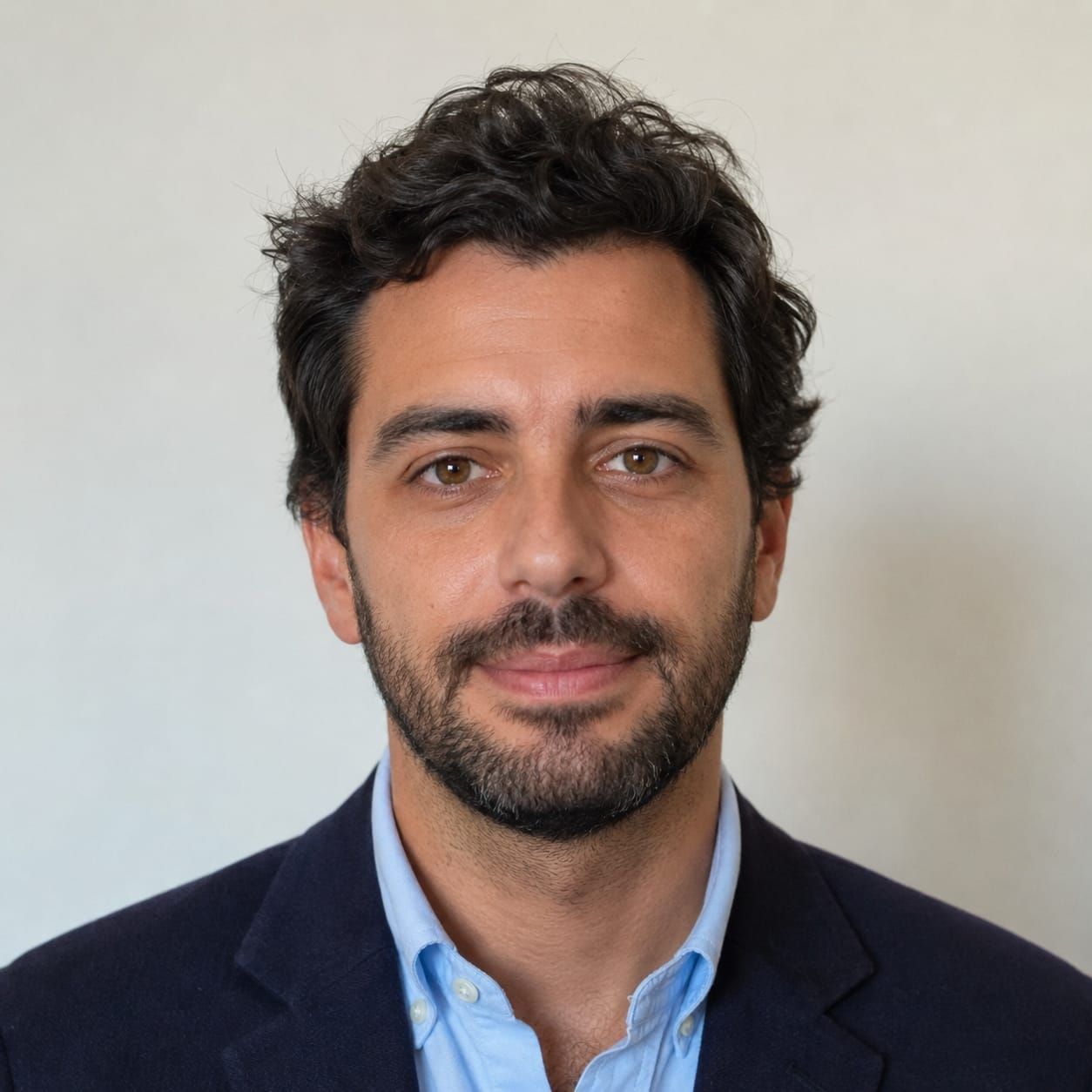

Bayern Munich forward Serge Gnabry has confirmed he will miss the 2026 FIFA World Cup after sustaining a severe adductor muscle tear in his right thigh, a blow that also sidelines him for the remainder of the Bundesliga season and the club's critical Champions League and domestic cup semifinals.
The German Football Association and Bayern's medical staff confirmed the diagnosis following comprehensive scans on April 22, revealing a rupture significant enough to rule out any participation in the expanded 48-team tournament co-hosted by Canada, Mexico, and the United States from June 11 to July 19.
Why This Matters
• Tournament impact: Germany loses a veteran attacker who started all six World Cup qualifiers and both March friendlies against Switzerland and Ghana.
• Bayern's run-in: The Bavarians face Paris Saint-Germain in the Champions League semifinals and Bayer Leverkusen in the German Cup semis without one of their most productive forwards—10 goals and 11 assists across 37 matches this season.
• Recovery timeline: Severe adductor muscle ruptures typically require several weeks to months of rehabilitation, with the exact recovery period depending on injury severity and individual healing response.
• Portugal angle: PSG's Portuguese contingent—Nuno Mendes, Vitinha, João Neves, and Gonçalo Ramos—will face a depleted Bayern attack in the semifinals.
The Injury Details
Adductor muscle ruptures rank among football's most disruptive soft-tissue injuries, particularly for athletes whose roles demand explosive lateral movement and powerful striking. The adductor group, located along the inner thigh, stabilizes the leg during rapid directional changes and load-bearing actions like shooting.
Bayern Munich's medical department has not disclosed the full severity classification publicly, but the club's official statement describing a "long-term absence" and Gnabry's own acknowledgment that his World Cup dream is "finished" indicate a significant injury requiring extended recovery time.
What This Means for Germany
Head coach Julian Nagelsmann must now recalibrate his attacking plans for Group E, where Germany will face Ecuador, Ivory Coast, and tournament debutants Curaçao. Gnabry's 59 caps and 26 international goals represented a blend of pace, directness, and big-game experience that cannot be easily replicated.
The German squad has depth on the wings, but few players offer Gnabry's specific profile. Leroy Sané, now at Galatasaray after his Bayern spell, remains the most direct replacement—a proven wide attacker with comparable speed and one-on-one ability. Jamal Musiala and Florian Wirtz, though nominally attacking midfielders, can drift wide in fluid systems, while Karim Adeyemi (Borussia Dortmund) and Jamie Leweling (VfB Stuttgart) provide alternative flank options.
Kevin Schade (Brentford) has emerged as a versatile option, capable of operating across the forward line, and Chris Führich (Stuttgart) offers another domestic-based choice. Arsenal's Kai Havertz, primarily deployed as a false nine or central playmaker, could be asked to roam wider in Nagelsmann's system.
The broader challenge for Nagelsmann is maintaining squad cohesion amid a generational shift. With Marc-André ter Stegen already ruled out through injury and several veterans retired or phased out, Germany enters this World Cup cycle leaning heavily on emerging talent. Losing a seasoned presence like Gnabry forces the coaching staff to accelerate integration of less experienced options in high-pressure scenarios.
Bayern's Title Push Without Gnabry
FC Bayern Munich sits atop the Bundesliga table with a commanding lead, needing just a single point from their home fixture against VfB Stuttgart on Sunday to clinch their 35th German championship—and their 13th title in 14 seasons. The club's domestic dominance remains unshaken despite Gnabry's absence.
Under manager Vincent Kompany, Bayern has employed advanced sports science monitoring to manage player recovery and injury prevention throughout the season. Yet the loss of Gnabry arrives at the worst possible juncture. The Champions League semifinal against Paris Saint-Germain represents Bayern's best opportunity to reclaim European glory after years of near-misses. PSG, bolstered by their quartet of Portuguese stars and reigning as both European and world club champions, will exploit any attacking deficiencies. Without Gnabry's width and finishing threat, Bayern must rely more heavily on Musiala, Sané, and their central strikers to break down PSG's defense.
The DFB-Pokal (German Cup) semifinal against Bayer Leverkusen poses another formidable test. Leverkusen's high press and aggressive full-backs will test Bayern's attacking flexibility in Gnabry's absence.
Recovery and Outlook
Rehabilitation from a severe adductor tear follows a structured progression beginning with rest and ice application to control inflammation, followed by weeks of targeted physiotherapy to restore range of motion and rebuild muscular strength. Athletes at Gnabry's level typically begin gradual return-to-activity protocols only after medical clearance confirms healing progress.
Bayern's medical team will manage Gnabry's recovery with focus on his long-term health. His contract, extended through June 30, 2028, ensures job security and allows for a properly managed rehabilitation without external pressure to rush back. Full functional recovery typically takes several months, with the exact timeline dependent on individual healing response.
The 30-year-old forward acknowledged the emotional toll in his Instagram statement: "My dream of playing the World Cup with the national team is over. These have been difficult days. Like the rest of the country, I will try to support my teammates from home."
Impact for Portugal and European Football
For Portugal and other nations tracking the 2026 World Cup dynamics, Gnabry's injury subtly reshapes the competitive landscape. Germany enters the tournament with reduced attacking depth at a critical moment in generational transition. Portugal, also qualified for the tournament, will benefit from a more balanced Group E competition where Germany's vulnerabilities are more pronounced than they might have been.
The tournament's historic expansion to 48 teams already promises increased unpredictability. Germany's depleted options only add to the intrigue for neutral observers and competing nations alike.
A Costly Absence
Serge Gnabry's adductor rupture exemplifies the fine margins that define elite football. A single injury can derail months of preparation and alter championship races. For Bayern Munich, the challenge is navigating a demanding schedule without one of their most consistent contributors. For Germany, it's adapting World Cup plans around less proven alternatives. For the player himself, it means watching from home while the biggest stage in football unfolds without him.


