A German family of four was killed in a head-on collision on the IC1 highway near Alvalade do Sado in Santiago do Cacém, marking one of the deadliest single-vehicle tragedies on Portugal's most dangerous route this year. The family—a 48-year-old father, a 43-year-old mother, and their children aged 14 and 12—were traveling on the route when the crash occurred.
Why This Matters:
• Road closures: The IC1 remained shut in both directions for roughly 5 hours following the crash, reopening only at 20:06 after investigative and cleanup operations concluded.
• Travel corridor impact: The crash occurred on a major route linking Lisbon to the Algarve, frequently used by families traveling to holiday destinations.
• Injury toll: Beyond the four fatalities, a 69-year-old driver from another vehicle sustained life-threatening injuries and was airlifted to Hospital de Santa Maria in Lisbon.
• Ongoing investigation: The Portugal National Republican Guard (GNR) has classified the incident as a frontal collision involving three vehicles and is examining the cause.
What Happened on the IC1
The collision occurred at kilometer 638.2 of the IC1, in the Alentejo Litoral region, at approximately 15:10 on Friday, April 2, 2026. According to Captain Miguel Mendes of the GNR, the crash involved a frontal impact between two vehicles, with a third car managing a last-second maneuver to avoid the direct collision. All four members of the German family were in one of the vehicles struck head-on.
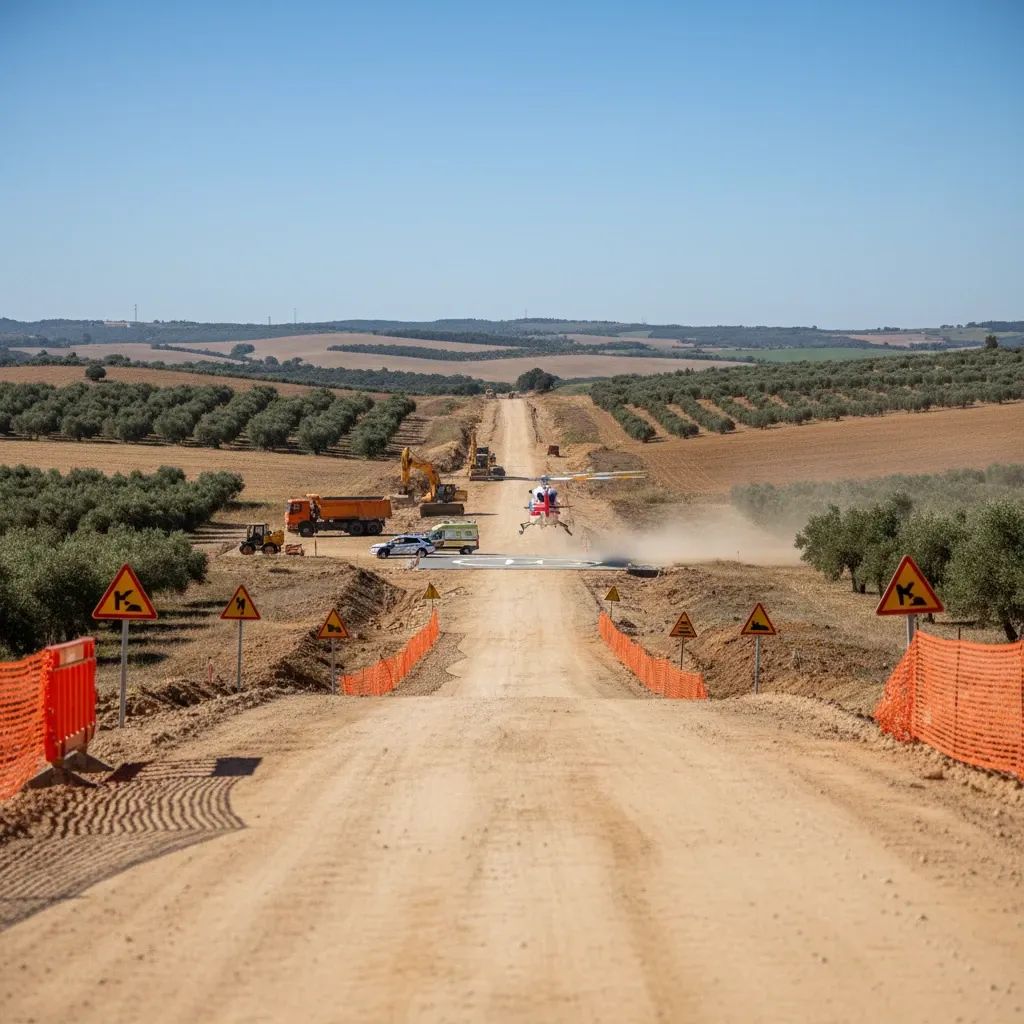
Emergency services dispatched 37 personnel to the scene, including firefighters from Alvalade do Sado, Ourique, and Aljustrel, medics from INEM (Portugal's National Institute of Medical Emergency), GNR officers, and Infraestruturas de Portugal staff. The response included 12 ground vehicles and one medical helicopter. Three passengers in the third vehicle were treated on-site for minor injuries.
The 69-year-old critically injured driver required immediate air transport to the capital. His condition underscores the severity of the impact, which left the vehicles heavily damaged and the highway impassable for several hours.
Impact on Residents and Travelers
For anyone living in or traveling through Portugal, this incident serves as a stark reminder of the risks on the IC1, a route consistently flagged as one of the country's most hazardous. Data spanning 2018 to mid-2023 identified the IC1, along with the EN125 and EN18, as the highways with the highest concentration of fatal accidents.
The closure disrupted travel for thousands. The IC1 is a primary artery connecting Lisbon to the Algarve, and periods of heavy traffic see significant volumes as families and tourists move south for holidays. Drivers were forced to find alternative routes or wait hours for the road to reopen, a logistical challenge during busy travel windows.
Germany is one of the top sources of visitors to Portugal, with families drawn by the climate, beaches, and cultural offerings. The incident highlights the vulnerability of travelers on Portugal's high-speed routes, particularly on the IC1 corridor where the combination of heavy traffic, high speeds, and unfamiliar drivers creates significant risk.
The Broader Safety Picture
Portugal has been monitoring road safety closely in recent years. During enforcement operations, authorities have recorded fatalities and accidents on major routes. The GNR and other agencies conduct regular checkpoints targeting the most common violations: speeding, expired vehicle inspections, lack of insurance, seatbelt non-compliance, and mobile phone use behind the wheel.
The IC1's reputation as a perilous road stems from a combination of factors: high speeds, heavy traffic volumes, a mix of local and international drivers unfamiliar with the route, and stretches with limited separation between opposing lanes. While a 2021 infrastructure mapping project by TeroMovigo targeted improvements on the IC1 segment between Marateca and Santana da Serra, no major new safety upgrades specific to the IC1 have been publicly announced beyond routine enforcement campaigns.
What This Means for Road Users
If you drive regularly on the IC1 or plan to travel during peak periods, consider these realities:
• Enforcement is active but reactive: While the GNR and other agencies run frequent checkpoints and patrols, the sheer volume of traffic and the nature of high-speed roads mean that prevention relies heavily on driver behavior.
• Unfamiliar routes require caution: Travelers unfamiliar with Portuguese roads, traffic patterns, or signage face heightened risks, especially on high-speed intercity routes where margins for error are slim. Take extra time to familiarize yourself with road conditions before undertaking long journeys.
• Alternative routes exist but add time: Avoiding the IC1 in favor of secondary roads can reduce risk but will extend travel times significantly, particularly between Lisbon and the Algarve.
• Emergency response is professional but stretched: The mobilization of 37 responders and a helicopter shows Portugal's emergency infrastructure is robust, yet rural stretches of highway can still see delayed response times.
Lingering Questions
The GNR's investigation has not yet disclosed the precise cause of the frontal collision. Key questions remain: Was one vehicle traveling in the wrong lane? Did a medical emergency, mechanical failure, or distraction trigger the crash? Was speed a factor? Answers may take weeks or months to emerge, depending on forensic analysis and witness testimony.
For now, the IC1 corridor remains under scrutiny. The incident underscores the fragility of road safety and the need for both infrastructural improvements and driver vigilance.
Residents and visitors alike should treat the IC1 with the caution it demands—especially during high-traffic periods like Easter, summer holidays, and long weekends when fatigue, impatience, and unfamiliarity converge on the asphalt.