
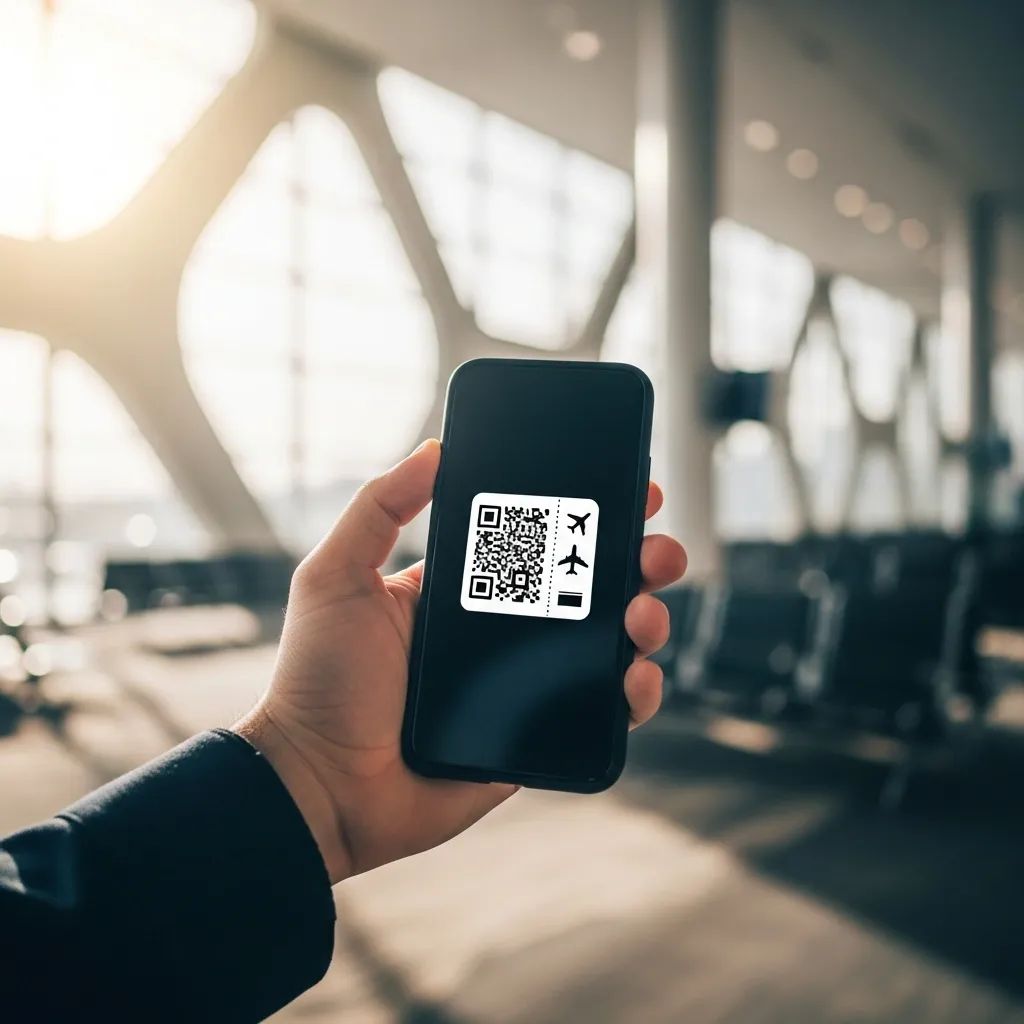
The relief of paying less upfront for a plane ticket to Lisbon or Porto sounds good—but the fine print is giving many island residents an unexpected headache. Early adopters of Portugal’s revamped Subsídio Social de Mobilidade are discovering that the long-promised digital makeover comes with new rules, new paperwork and a noisy political row stretching from São Bento to the Atlantic.
At a glance
• Lower out-of-pocket costs for residents of Madeira (€79) and the Azores (€119)
• New online portal replaces most counter service, with a grace period until 30 June 2026
• Tax-compliance condition can freeze subsidies for travellers with outstanding debts
• One-way tickets now eligible, but only for half the usual refund
• Political backlash led by Madeira’s regional government, which calls the reform “discriminatory”
Digital shift finally arrives
The Government released its e-platform on 7 January, claiming it will bring transparency, automatic eligibility checks and faster payments. Passengers log in with Chave Móvel Digital, upload their booking receipt and, in theory, watch the reimbursement hit their bank account days after the flight. Until the system stabilises, CTT counters remain open for less tech-savvy residents, especially older travellers, who can still collect refunds in cash.
Local travel agents welcome the end of paper forms but warn that rural broadband gaps in islands such as Flores or Corvo may trap some residents in the old queue-and-stamp routine. The Ministry of Infrastructure insists a mobile-friendly version will be ready “well before summer”.
Money matters: who pays what
Under the new ceiling, a Madeiran resident never pays more than €79 of the ticket price, while an Azorean pays a maximum of €119. Anything above those figures—up to €400 for Madeira or €600 for the Azores—is reimbursed by the State. Students benefit from even lower reference values, €59 and €89 respectively.
For the first time, one-way journeys qualify. The traveller shoulders half the normal outlay upfront and receives a refund capped at 50 % of the usual allowance. They can still link a return flight within 12 months to unlock the remaining subsidy. Budget-minded students see this as a win; business travellers complain that corporate cash-flows will suffer because companies must still advance the full fare before claiming.
Political storm from Funchal to Ponta Delgada
Madeira’s president Miguel Albuquerque denounced the changes as “a second-class treatment for islanders”, zeroing in on the clause that ties the subsidy to a clean tax record. Deputies from both PSD and PS elected in the Azores share that concern, arguing that the right to mobility should not depend on outstanding social-security payments.
Across the aisle, the Juntos Pelo Povo party dusted off its plan for a Fundo de Garantia da Mobilidade Aérea: residents would pay only their discounted share at the ticket counter, leaving the State to settle the balance directly with airlines. Low-cost carriers like SATA Air Açores and easyJet embrace the concept; TAP Air Portugal labels it “operationally unworkable”.
What the experts say
Transport economist Luís Carreira applauds the digital leap yet warns that adding a fiscal filter risks “penalising exactly the households the subsidy was designed to help”. The Autoridade Nacional da Aviação Civil is more upbeat, predicting the platform will curb fraud and cut administrative costs “by at least 30 %”. Consumer-rights groups, oddly silent so far, are expected to weigh in once the first wave of complaints surfaces.
Looking ahead
Two deadlines loom. By 30 January 2026, all return flights booked before the reform remain payable in CTT branches. And by 30 June 2026, the Government vows that every refund will flow exclusively through the portal—or it will extend the transition.
For now, island residents planning Easter trips should double-check their NIF status, keep every digital invoice, and brace for a new routine: less time in queues, perhaps, but more time reading small print. When it works, the revamped subsidy could shave dozens of euros off each journey. When it doesn’t, expect the Atlantic chorus of dissent to grow louder.


