
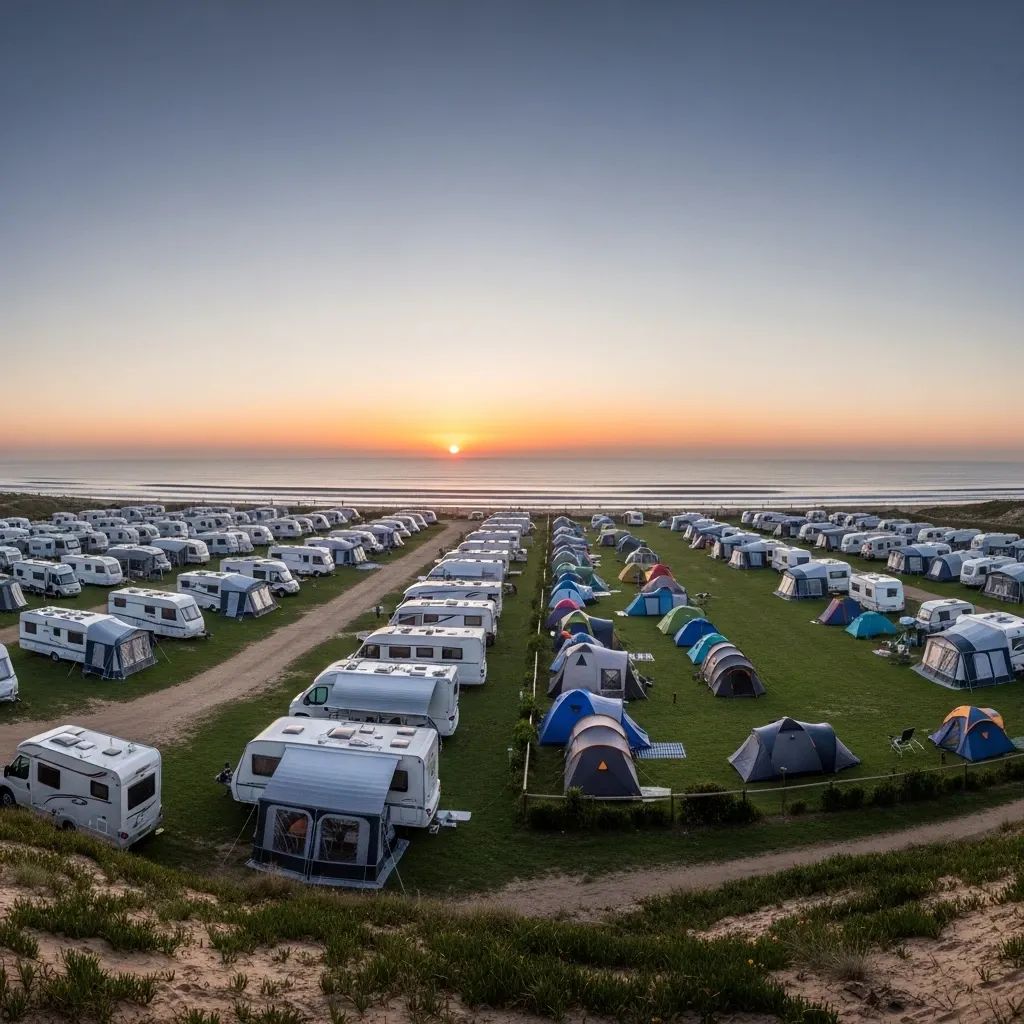
Visitors to Matosinhos will still pay a nightly fee, yet the local council has trimmed away two situations it now considers unfair. Short stop-overs under four hours and long-term camping that feels more like seasonal renting are no longer subject to the taxa turística. For travellers, it means a few extra coins in the pocket; for the municipality, it is a wager that clarity and goodwill will keep the cash registers ringing without stifling arrivals.
Snapshot of the new rules
• €2 per night in hotels and local lodgings, capped at 7 nights
• €0.50 per night in campsites, caravan parks and hostels
• No fee when the stay is under 4 hours (day-use)
• No fee for campers with contracts of 3+ months
• Residents, medical stays, asylum seekers and a handful of other categories remain exempt as before
Why Matosinhos hit the reset button
The beach-lined suburb just north of Porto has watched visitor numbers surge since 2022. Crowded promenades, late-night clean-ups, and a strain on public transport convinced councillors to introduce a levy in 2025. Within a year, however, hoteliers complained that charging day-use guests the full rate felt like “using a sledgehammer on a mosquito.” Camper-van groups echoed the sentiment, arguing that long bookings resembled semi-permanent tenancy rather than tourism. After crunching the data, the city concluded the old regime produced a “disproportionate impact” on these niches while adding little to municipal coffers.
What actually changes on the ground
Under the revised by-law, every overnight stay of 4 hours or more still triggers a fee, but two carve-outs now apply:
Day-use hotel visitors – think flight crews catching a nap – walk away without paying.
Campers on seasonal plots who sign leases of 90 days or longer likewise avoid the charge.
Everything else stays put: the €2 hotel levy, the €0.50 camping rate, the 7-night ceiling, and the broad list of human-centric exemptions (medical, disability, eviction, asylum, public-service bookings).
How the rules compare with Porto and Gaia
In the wider Douro estuary, Matosinhos now looks like the middle-priced sibling. Porto raised its fee to €3 in late 2024 and Vila Nova de Gaia is poised to match that figure in 2026. Neither neighbour offers a day-use exemption, and both apply a minimum age threshold of 13 or 16. By pitching its levy at €2 – and half that for tents – Matosinhos hopes to remain competitive for budget travellers while still collecting funds for street cleaning, cultural events and beach maintenance.
Voices from hotels, camper-vans and neighbours
Hotel managers welcome the clarity but worry about “tax fatigue” as electricity and staff costs also climb. Camper-van associations applaud the seasonal exemption, calling it a “recognition of our lighter footprint.” Locals, already exempt, chiefly want the revenue spent on litter bins, night-time policing and quieter fireworks during festival season. The council insists the tweaks create a “fairer, more balanced instrument” and pledges an annual audit to prove it.
Counting the euros: will the ledger still balance?
Before the carve-outs, City Hall forecast roughly €1.25 M from the levy in 2025, a slice of the municipality’s €221 M budget. Officials decline to publish a fresh figure, yet stress that day-use visits and multi-month campers represented “single-digit percentages” of total receipts. In other words, Matosinhos is betting the goodwill dividend outweighs the modest dip in revenue – and that rising visitor nights will cover the gap.
Practical guide for anyone planning a stay
• If your booking confirmation says “day use” and you leave within four hours, there is nothing to pay.• Pitching a tent or parking a caravan for the summer? Produce a contract of 90-plus days to claim the waiver.• Everyone aged 16 or over pays the standard rate unless they fall under the established medical, disability or social-support categories.• Hotels and hosts must show the fee as a separate line on your bill; ask for clarification if it is missing or seems inflated.
The bigger picture
Tourist taxes began as a novelty on mainland Portugal a decade ago; today they are a staple from Braga to Faro. As municipalities tweak the details, travellers can expect a patchwork of rates and exemptions. For Matosinhos, the 2026 update is less about squeezing visitors and more about sending a message: “pay your fair share, but only if the stay truly feels like tourism.” That formula will now be tested through another busy summer on the Atlantic edge of Porto’s metro map.


