Long before dawn this week, families at Lisbon’s largest public hospital discovered that a “Muito Urgente” wristband no longer guaranteed immediate care. Some of the sickest patients waited nearly 14 hours before a doctor first laid eyes on them—a delay that by official guidelines should never exceed 10 minutes.
Snapshot: what matters right now
• 13 h 46 min – record wait for a pulseira laranja patient at Santa Maria’s main emergency room
• 3 patients simultaneously in that extreme category when the peak was recorded
• 7 h 36 min – average queue for “Urgente” (yellow) cases two days later
• 650–700 episodes/day – return to pre-COVID footfall, stretching staff and space
• No dedicated funding so far confirmed for this emergency ward under new national modernization plans
A wait that breaks the Manchester clock
Under the internationally used Manchester Triage System, the orange wristband signals a life-threatening scenario; recommended assessment time: 10 minutes. At Santa Maria, Portugal’s flagship university hospital, the clock hit 13:46 before the first clinical observation of one such patient. Even the “merely” yellow cases, meant to be seen within 60 minutes, faced lines longer than most long-haul flights. Administrators acknowledge the gap but insist that “the most unstable” are treated sooner than raw averages suggest.
Why the bottleneck keeps growing
Several forces have converged:
Surging winter virus season – early flu outbreaks added hundreds of extra respiratory cases.
More complex age profile – clinicians report a rise in multimorbidity, translating into longer diagnostics and bed searches.
Regional overflow – ambulances from suburban units increasingly divert here when smaller ERs hit capacity.
Chronic staffing strain despite official compliance with payroll plans, leaving fewer hands for triage spikes.
Infrastructure limits – renovation funds announced last autumn have not yet broken ground at Santa Maria.
Voices from the corridor
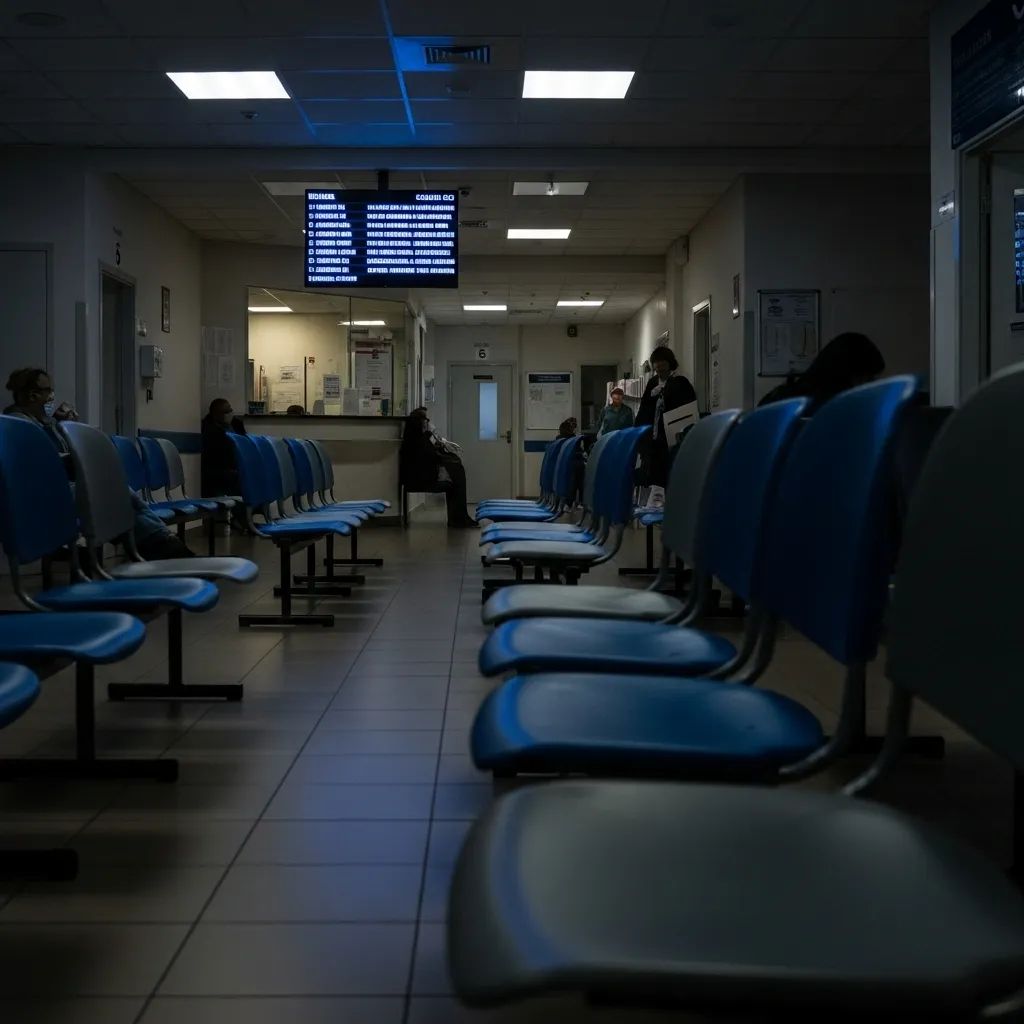
Relatives describe “frightening” silences while monitors beep beside loved ones still unexamined. Union leaders talk of burnt-out teams, with some surgical chiefs resigning over schedule “insanity”. The hospital board counters that a “special project” is underway “to humanise” the central ER, promising more chairs, clearer updates and warm meals for overnight stayers.
Government pledges versus on-the-ground reality
Lisbon announced a €50 M fund to overhaul outdated emergency blocks nationwide and launched SINACC, a digital queue tracker aimed mainly at surgery and outpatient slots. Neither initiative has yet trimmed acute wait times in the capital. Officials maintain that centralised procurement and efficiency drives will free resources, but health-economy analysts warn that broad austerity targets could undercut hiring just when demand peaks.
Should patients still head straight to the ER?
Health authorities remind citizens to call SNS 24 (808 24 24 24) first. Nurses on the helpline can direct people to extended-hours clinics, home-care teams or, when appropriate, private urgent-care contracts now reimbursable by the state. The advice is not about keeping doors shut, officials stress, but about ensuring the truly critical avoid a queue that medicine says they cannot afford.
What to watch next
Santa Maria tests a real-time dashboard in February, flashing delays on waiting-room screens; unions push for premium pay tiers to keep senior doctors on site overnight; and Parliament debates repurposing COVID contingency wards for winter overcrowding. Until measures bite, however, families in Portugal’s biggest city may continue to pack an extra phone charger—and plenty of patience—for any trip to the hospital they once trusted for swift life-saving care.