

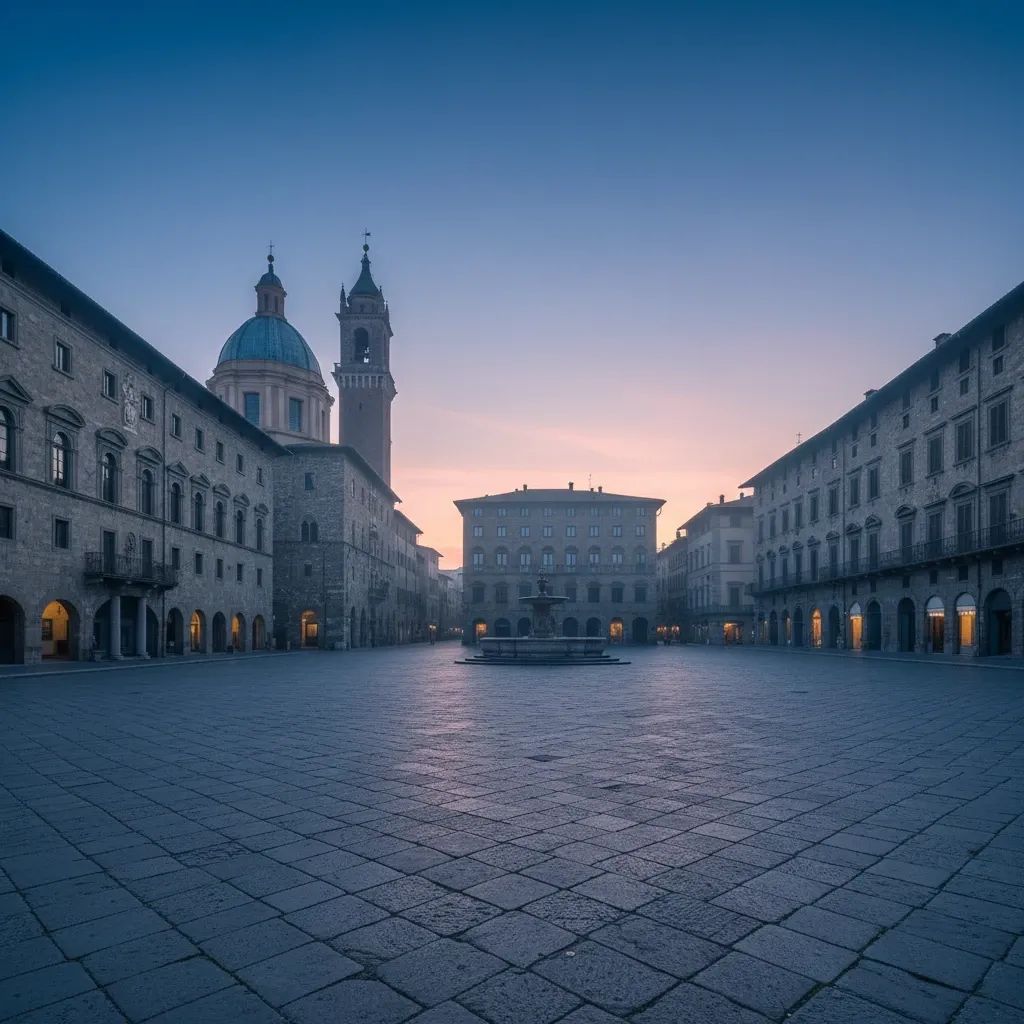
The Portugal Public Security Police (PSP) confirmed that a 20-year-old victim was transferred from Évora's Hospital do Espírito Santo to the Hospital de São José in Lisbon after his condition deteriorated following a brutal assault on April 19, 2026, in the city's historic Praça do Giraldo. The attack, which left the young man with a fractured jaw and suspected head trauma, has sparked fresh debate about nighttime safety in the Alentejo capital—a city that saw crime rise 11% in 2025 to 1,598 incidents.
What Residents Should Know: Immediate Safety Guidance
For locals and expats living in Évora, the incident offers three practical takeaways. First, avoid lingering in central plazas between 2 a.m. and dawn, especially on weekend nights when alcohol consumption peaks. Second, familiarize yourself with the PSP emergency hotline (112) and consider downloading the MAI SOS Portugal app, which geo-locates your position and streams live updates to dispatch. Third, if you witness group altercations, do not intervene physically; call authorities immediately and record video from a safe distance if possible—footage has proven instrumental in past prosecutions.
Property owners and business operators in the historic center should also review their private CCTV installations. Municipal by-laws permit exterior surveillance provided cameras do not capture public thoroughfares beyond the property line. Footage can be voluntarily shared with PSP under Law 5/2002, which governs video evidence in criminal proceedings.
Why This Matters
• Medical escalation: Surgeons at São José Hospital reviewed the case and determined that while surgery was initially considered due to suspected head injury, the risk profile warranted careful monitoring. The victim remains under outpatient follow-up.
• Fugitive aggressor: While PSP identified several Portuguese nationals at the scene, the primary suspect remains at large.
• Local trend: Street robbery in Alentejo Central spiked 24.1% in 2025, and Évora municipality accounted for nearly 30% of all district crime reports in 2024.
What Happened in Praça do Giraldo
Officers arrived at the square—a Renaissance-era landmark ringed by arcades and cafés—around 6:40 a.m. on Sunday, April 19 to find six to seven intoxicated individuals still present. According to family members and police briefings, the student had already lost consciousness before his attackers continued kicking him in the head. A friend who tried to intervene was also assaulted but escaped with minor injuries.
Investigators have so far identified two suspects and referenced a third, all carrying Portuguese nationality. The victim's father, identified in regional press as Nuno Vilaranda, a Guarda Nacional Republicana (GNR) writer and serviceman, publicly refuted online rumors that the assailants were of Roma ethnicity. He emphasized that members of Évora's Romani community had expressed solidarity and condemned the attack.
The family has filed a formal complaint, and PSP headquarters in Évora confirmed to Portuguese media that the case remains under active investigation. Authorities declined to specify whether a manhunt is underway for the fugitive suspect.
Medical Complications and Transfer to Lisbon
Within hours of returning home from the initial hospital visit, the young man experienced escalating pain and was readmitted to the Espírito Santo facility. After fresh assessments revealed suspected intracranial injury, doctors arranged an emergency transfer to the São José Hospital trauma unit in Lisbon, roughly 130 kilometers northwest of Évora.
The multidisciplinary team at São José reviewed imaging and clinical data and decided against immediate surgery, instead adopting a conservative monitoring protocol with scheduled follow-up assessments. The fractured left mandibular condyle will be managed through non-invasive techniques, with regular scans to track healing.
Medical sources note that closed-head injuries can evolve unpredictably in the first 72 hours, particularly when compounded by facial fractures. The decision to transfer the patient reflects standard Portuguese trauma-network protocols, which route complex neuro-trauma cases to Lisbon's specialized centers.
Security Landscape in Évora's Historic Core
Praça do Giraldo is the city's social and commercial nucleus, with its marble baroque fountain and eight tributary streets making it a must-see for tourists and a daily hub for residents. Yet recent statistics reveal a more precarious picture after dark.
Portugal Ministry of Internal Administration figures show Évora recorded 1,598 criminal occurrences in 2025, up from 1,441 in 2024. Across the broader Alentejo Central district, general crime climbed 7.8% to 5,141 cases. Most striking was the 24.1% surge in street robbery, which jumped from 29 incidents to 36. Drink-driving offenses, simple assault, and domestic violence remain the top three categories in municipal police logs.
PSP Évora's command has repeatedly downplayed seasonal spikes, attributing the majority of reports to opportunistic theft and cyber-enabled fraud. Nonetheless, nighttime disturbances—fueled by alcohol—continue to test the force's capacity in a district where patrol density is far lower than in Lisbon or Porto.
Legal Outlook and Next Steps
Under Portuguese Penal Code Article 143, aggravated assault causing serious bodily harm carries a prison term of two to ten years. If prosecutors can prove the attackers continued their assault on an unconscious victim, the charge may escalate to torture under Article 243-A, which mandates a minimum of three years. The fugitive suspect, once apprehended, will likely face pre-trial detention given flight risk.
Defense lawyers may argue intoxication as a mitigating factor under Article 295, but courts in Portugal have consistently held that voluntary inebriation does not absolve criminal responsibility. Victims can also pursue civil damages through the Criminal Injuries Compensation Scheme (Lei 130/2015), which awards up to €50,000 for medical expenses, lost wages, and psychological trauma.
Family sources indicated they are preparing a detailed dossier of hospital bills, witness statements, and forensic photographs to expedite the compensation claim, which typically takes 18 to 24 months to finalize.
Community Response and Rumor Control
In the days following the attack, social-media speculation linked the assailants to Évora's Romani population, prompting swift denials from both the victim's father and community leaders. Nuno Vilaranda stated publicly that several Romani families had reached out to offer support and condemned the violence.
This episode echoes broader tensions across Portugal, where misinformation often conflates ethnicity with criminality despite clear legal protections under Law 93/2017, which criminalizes hate speech and ethnic profiling. Civil-society groups have urged residents to rely on verified police statements rather than unattributed posts.
Local cafés and residents' associations have organized a solidarity vigil for April 26, aiming to reclaim the square as a symbol of civic coexistence rather than fear. The initiative has garnered endorsements from the municipal council and the regional tourism board, both eager to project resilience and unity in the wake of the assault.


