
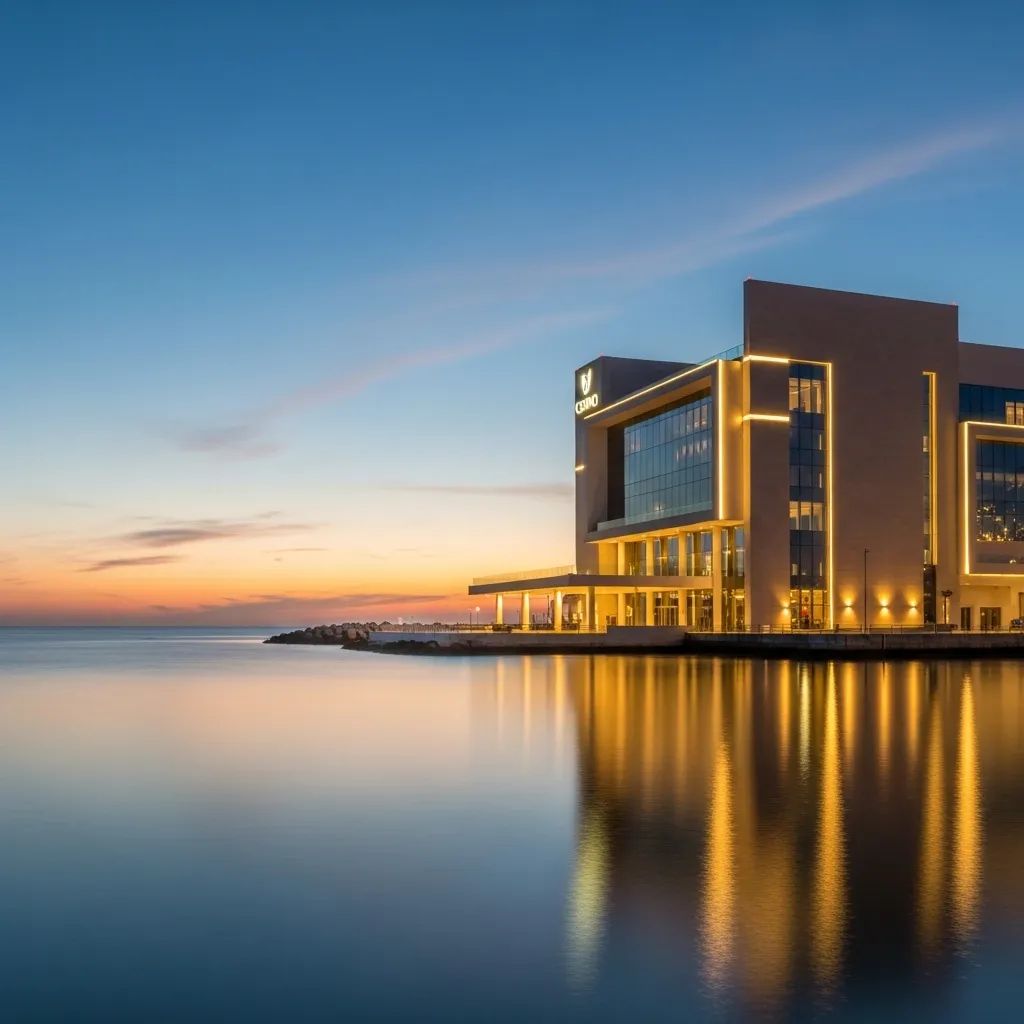
Portugal’s three coastal gaming hubs – the Algarve, Espinho and Póvoa de Varzim – will keep their slot machines humming into early 2026 while the State finishes grading bids for a fresh 15-year casino cycle. The last-minute extension buys officials just enough room to compare eight rival offers, fend off possible legal crossfire and decide which operator is best placed to boost tax revenue and tourism.
Snapshot at a Glance
• Current licenses were due to expire on 31 December 2025 – they now roll on "for the strictly necessary period".
• Eight contenders – from long-time locals Solverde and Estoril Sol to France’s Barrière – are chasing five licences.
• €100 M a year in fiscal takings is the Treasury’s target, backed by a mix of fixed and variable fees.
• 15-year concessions will lock the winners into investment pledges that should stretch beyond gaming floors.
• Political friction over alleged favoritism still shadows the process, but the Economy Ministry insists the timeline remains “on track”.
Why the Government Hit Pause
A cocktail of tight deadlines, complex evaluation rules, holiday-season logistics, and a lingering threat of court appeals forced Lisbon to add extra time. Under the protocol published by the Ministry of Economy and Territorial Cohesion, submissions will be opened, scored and bundled into a preliminary report; bidders get a short window to object; only then is a final ranking forwarded to cabinet for approval. Officials say that choreography needs "one to three months" – longer if lawyers weigh in.
What It Means for Local Economies
From Vilamoura’s marina nightlife to the Aveiro coast’s winter circuits, brick-and-mortar casinos still anchor off-season tourism. Operators employ roughly 2,000 workers, book local suppliers for shows and hospitality, and funnel a slice of revenues into municipal projects. Algarve business councils fear any licensing limbo could chill marketing budgets right when the region courts post-pandemic travelers. On the upside, a clean bidding slate could unlock new hotel wings, conference space and family attractions – provided the next contracts demand them.
Money on the Table
The tender blueprint is blunt: pay at least €1.5 M a year upfront per licence, then surrender 30–35 % of gross gaming revenue (GGR). Government economists project €100 M annually and €1.5 B over the life of the permits, a meaningful cushion for public accounts. By comparison, Portugal’s regulated online market kicked in €95.5 M in taxes last year, proving that land-based halls still matter.
The Players
Solverde – veteran in Espinho and across the Algarve, hungry to defend its turf.
Estoril Sol / Varzim Sol – flagship operator in Póvoa de Varzim, part-owned by Stanley Ho’s legacy empire.
Groupe Barrière – French leisure giant eyeing an Iberian beachhead.
Cirsa – Spanish powerhouse backed by Blackstone, betting on Algarve tables.
Comar – Galician newcomer sniffing opportunity south of the Minho.Rumours swirl that at least one consortium may fold in a luxury-resort developer to sweeten its pitch. All envelopes, however, stay sealed until New Year’s Eve.
Political Under-Currents
Campaign barbs flew earlier this year when PS leader Pedro Nuno Santos accused Prime Minister Luís Montenegro of tilting the field toward former client Solverde. Montenegro shot back that two prior extensions occurred under Socialist watch and vowed absolute transparency. Parliamentary watchdogs have since requested regular briefings, keen to avert another state-aid saga like the Spinumviva transport affair.
Experts Call for a Bigger Vision
Gaming lawyer Óscar Madureira argues the tender “still reads like 2005,” urging criteria that bundle integrated resorts, cultural venues and green credentials. Without fresh hooks, he warns, physical casinos risk ceding ground to the 30 licensed online platforms already blitzing Portuguese screens. Tourism economists echo the point: with the sector worth 11 % of GDP, every brick-and-mortar project should function as a magnet, not just a gaming hall.
What Happens Next
Late-December: financial bids land at the Tourism de Portugal headquarters.January–February 2026: evaluation jury issues its preliminary verdict; opponents may lodge objections.February–March 2026: cabinet signs a decree-law cementing the winners – unless challenges drag the saga toward summer.Until that signature dries, the existing concessions remain in force, ensuring croupiers keep dealing, taxes keep flowing and holidaymakers keep spinning the roulette wheel.
Bottom Line for Residents
For Algarve hospitality workers, Espinho shopkeepers and Póvoa hoteliers, the government’s stop-gap means business as usual through the winter peak. The bigger prize – five modern, investment-heavy casinos that lift local economies for the next decade and a half – hinges on how well the tender balances fiscal return, tourism strategy, fair competition and legal certainty in the months ahead.


