
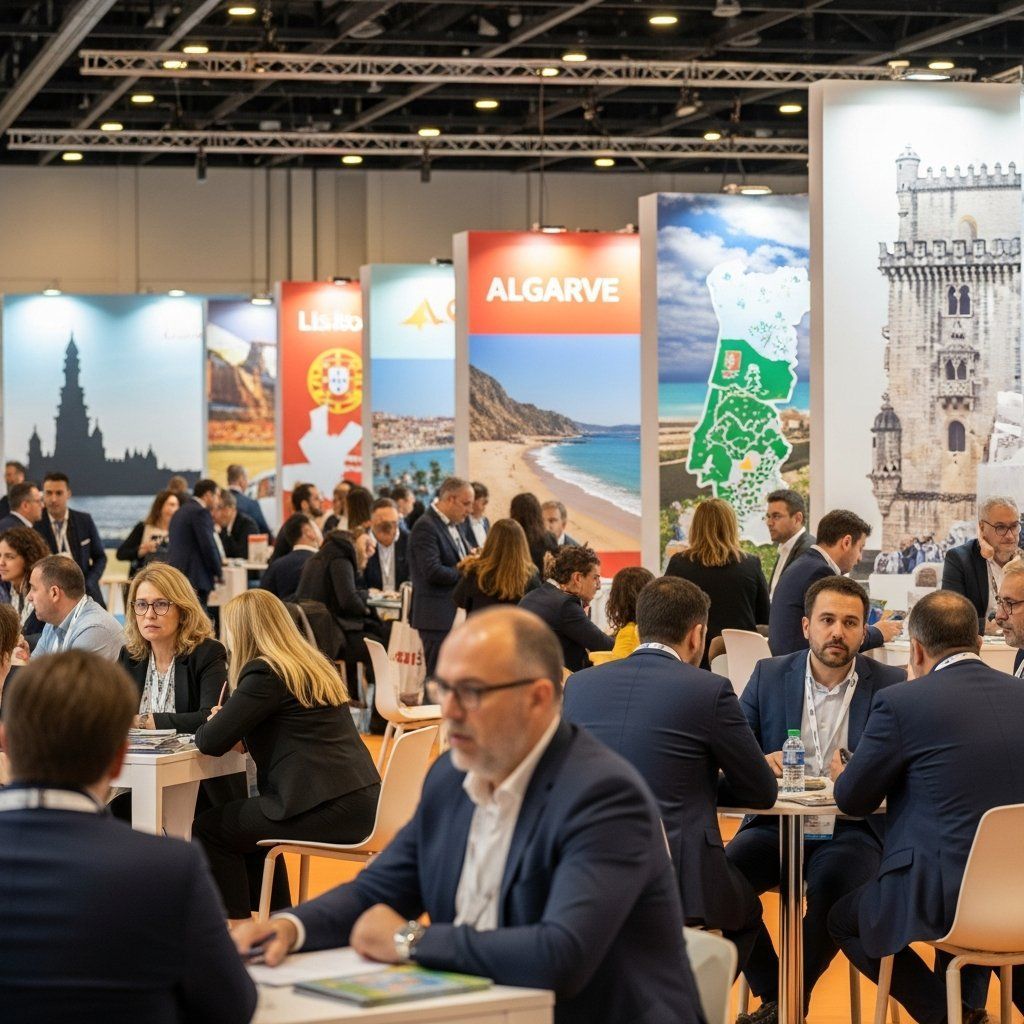
The bustle of the Chinese outbound market has once again taken center stage for Portugal: during three intense days in early December, more than a thousand travel-industry leaders gathered in Macau to plot the next wave of visitors heading westward to Lisbon, Porto and beyond. Their conclusions carry immediate weight for hotels on the Algarve, retailers on Avenida da Liberdade and even rural tourism ventures in Trás-os-Montes.
Why Macau Again Matters
Choosing Macau for the 50th National Congress of APAVT is more than nostalgia. It is the sixth time the association has crossed half the globe to the former Portuguese enclave, now a Special Administrative Region of China, underscoring a relationship that blends shared history with hard economics. Organizers timed the meeting to coincide with APAVT’s 75th anniversary, wrapping a year-long celebration in a city where Portuguese street names stand beside Mandarin billboards. By returning to Macau, APAVT signaled that winning a larger share of the world’s biggest outbound market remains its overriding priority.
Portugal’s Chinese Bet Moves From Boardroom to Street
Macau hosted a record 1,000-plus delegates, eclipsing previous editions and illustrating how strongly the sector believes in China’s potential. Portuguese agencies used the congress to fine-tune itineraries that move beyond the classic Lisbon–Sintra–Porto circuit, promoting Évora wine tours, Aveiro lagoon cruises and hiking in Peneda-Gerês. Meanwhile, Chinese counterparts explained what today’s travelers expect: seamless mobile payments, health-conscious meal options and quick rail links between cities. The message was clear: success depends on tailoring Portugal’s offer to a younger, tech-savvy public whose spending already exceeds €150 M a year in the country.
Numbers Behind the Push
Hard data buttress the optimism. During the first months of 2025, Portugal logged a 27% jump in Chinese guests and set a revenue target of €200 M from that market before year-end—levels last seen in 2019. The North region alone welcomed over 10,000 visitors from China in May, up 24% year-on-year. ForwardKeys still puts average stays at just 1.8 nights, yet officials highlight a separate ForwardKeys metric showing longer combined European itineraries stretching to 18 nights, meaning Portugal can capture more spending if it convinces travelers to linger.
Digital Playbook and New Partnerships
Speakers devoted entire sessions to influencer campaigns on WeChat, virtual tours filmed in 360º and an e-learning platform that turns Portuguese agents into certified “Macau specialists.” Tourism de Portugal folded its Asia roadshow into the event, arranging one-on-one meetings between mainland operators and Portuguese DMCs. The Galaxy Entertainment Group, co-organizer of the congress, used its stage time to announce a joint promotion with TAP and Air China aimed at bundling multi-destination tickets covering Lisbon, Hengqin and Shenzhen. Crucially, both public and private players committed to deeper data-sharing agreements to track booking patterns in real time.
Voices From the Congress Floor
Maria Helena de Senna Fernandes, director of Macau’s Tourism Board, told Portuguese delegates that cultural affinity remains a unique selling point: “Your heritage sites speak to Chinese travelers who crave stories.” Pedro Costa Ferreira, president of APAVT, was even more direct: “If Portugal wants to hit half a million Chinese guests by 2026, we must speak their digital language today.” Philip Cheng of Galaxy described the gathering as a “prototype for cross-continental tourism corridors,” pointing to the new Hengqin cooperation zone as a laboratory for multi-entry visas that include Portugal.
What It Means for Residents and Businesses in Portugal
For café owners in Alfama or wine producers in the Douro, the congress outcomes translate into tangible opportunities. More flights and visa facilitation could fill winter low-season gaps, while expanded UnionPay acceptance promises higher average shopping baskets for Portuguese retailers. City councils, especially outside Lisbon, are being urged to add Mandarin signage at transport hubs and ensure QR-code compatibility at ticket offices. Success, participants agreed, depends on spreading arrivals across the country, easing pressure on hot spots and widening the economic benefits.
Looking Ahead
With the congress over, APAVT’s leadership flies home armed with data-driven strategies, new memoranda of understanding and a calendar of follow-up missions to Beijing and Shanghai. The coming months will test whether talk in Macau converts into arrivals at Humberto Delgado Airport. Yet confidence is high: as one veteran agent quipped in the hallway, “Macau has shown we still have the keys to the Chinese door—now it’s up to Portugal to keep it wide open.”


