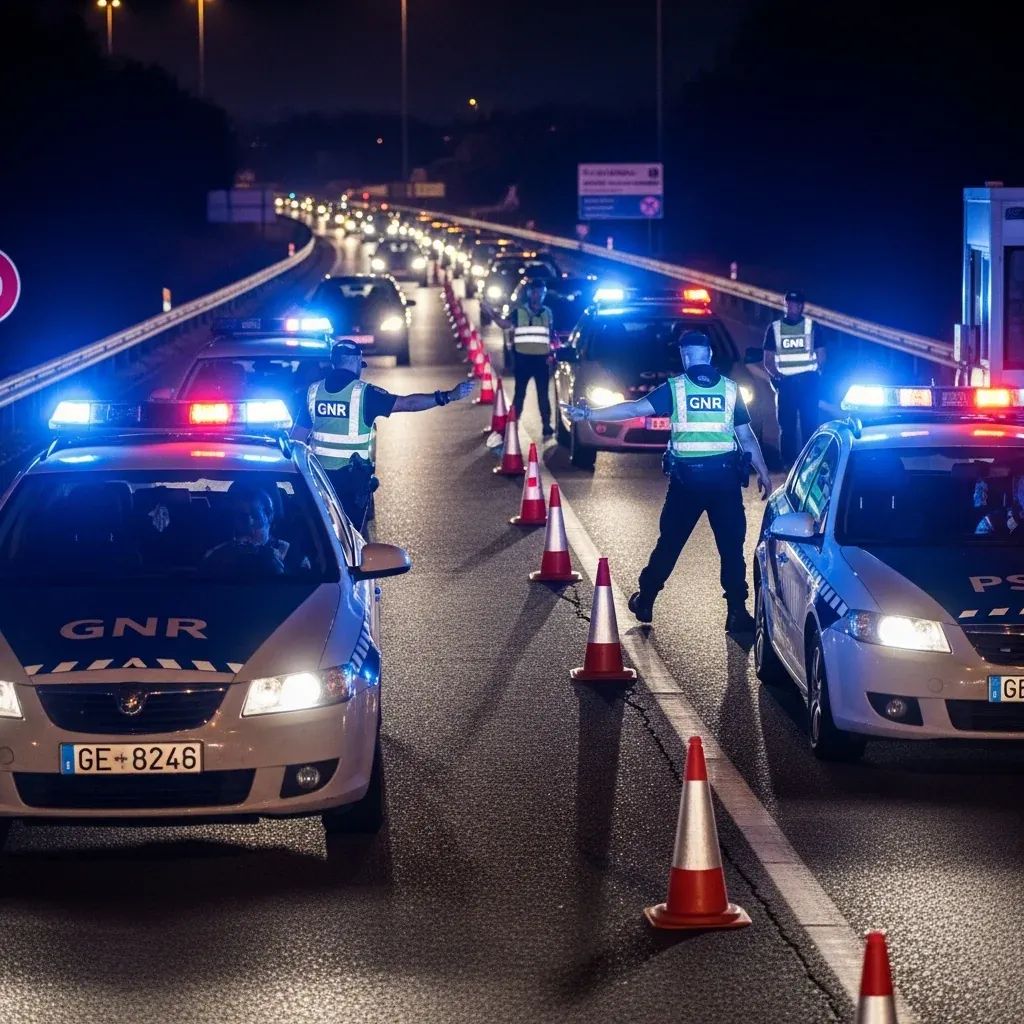
Portugal’s year-end road blitz has already produced a grim double headline: 12 people lost their lives and 433 motorists were hand-cuffed for drunk driving in just seven days. Police promise more checkpoints through early January, arguing that the visible crackdown still saves lives—even if the casualty figures suggest a stubborn national habit behind the wheel.
Quick glance before the next trip
• 12 road deaths between 18-24 December
• 433 drivers arrested for blood-alcohol crime levels
• More than 3,000 injuries ranging from minor to critical, according to PSP and GNR combined data
• Checkpoints stay in place until 4 January 2026
Holiday travel once again turns deadly
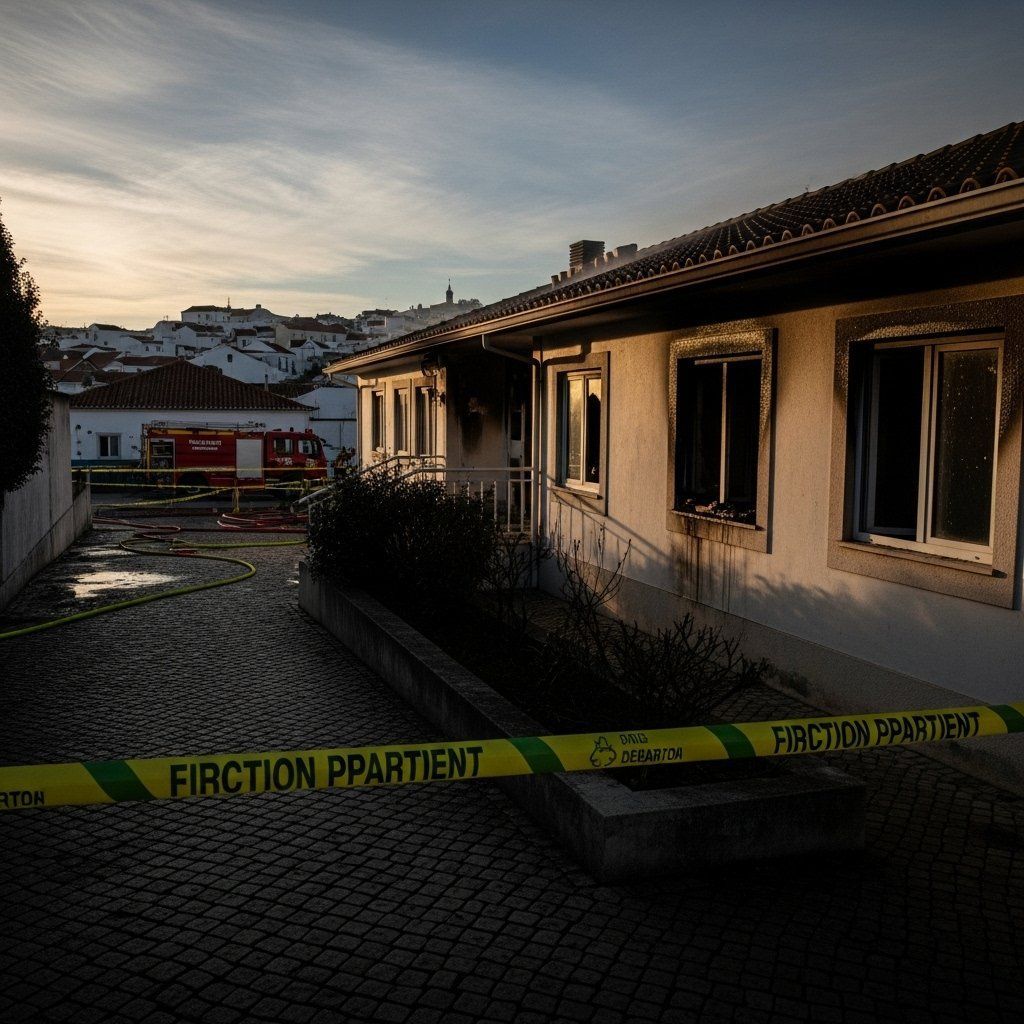
In the sprint between Christmas shopping and New Year’s Eve dinners, Portuguese motorways resembled a dangerous slalom. Inside urban zones policed by the PSP, officers recorded 3 fatal crashes, while the GNR tallied 9 deaths on national and regional roads it supervises. Altogether, the two forces responded to over 3,000 collisions, a workload that stretched ambulance crews from Braga to Faro.
Zero-tolerance roadblocks sweep the country
Authorities staged round-the-clock patrols at bridges, toll plazas and village roundabouts. The GNR alone checked 55,244 drivers, slapping cuffs on 272 whose blood-alcohol concentration met the 1.2 g/l threshold for automatic arrest. Urban counterparts in the PSP made 161 alcohol-related arrests and a further 74 for unlicensed driving. Police commanders insist the presence of flashing lights at random spots is still the most effective deterrent, even though apps like Waze allow motorists to crowd-source checkpoint locations in real time.
The stubborn role of alcohol in Portugal’s road trauma
Even after a decade of public awareness campaigns, alcohol remains a leading factor in roughly 1 in 4 fatal crashes nationwide. Medical examiners say that three-quarters of dead drivers who test positive are far beyond the administrative limit, confirming police fears that the country’s worst offenders drive while heavily intoxicated, not just slightly over the line. Reaction times blur, risk perception evaporates and speed creeps up—a lethal cocktail on winter roads slick with rain.
Lessons from doctors, police and data analysts
Road-safety researchers praise the holiday blitz for catching offenders, yet warn the arrest figures reveal a deeper problem. A Lisbon-based addiction psychiatrist argues that Portugal still underinvests in early alcohol-education programmes, describing the seasonal spike in arrests as a sign of “prevention gaps, not merely enforcement success.” Analysts add that breath tests are sometimes skipped after minor fender-benders, meaning the true share of alcohol-linked crashes could be higher than official files show.
Education campaigns: are they working?
This year’s flagship efforts—“Taxa Zero ao Volante” and the Christmas message “O melhor presente é estar presente”—blanketed radio spots and motorway billboards. Preliminary figures hint at marginal progress: roadside teams are finding fewer drivers above 1.5 g/l than a decade ago. Still, with 304 arrests in the first four days of the festive operation alone, campaign planners concede that visibility must be paired with consistent year-round classroom work and community outreach if behaviour is to shift.
What happens next
Checkpoints will dot Portuguese roads until after Kings’ Day. After that, national authorities and EU partners will pour the holiday data into next spring’s annual safety review. For now, police urge motorists leaving family dinners to consider taxis, designated drivers or the expanding network of night-bus routes many municipalities subsidise during the holidays. The message is blunt but unchanged: arriving late is better than not arriving at all.