The festive glow of the Réveillon has barely faded, yet Portugal is already reckoning with a heavy road-safety bill: 23 lives lost, 51 people gravely injured and 559 drivers behind bars for drink-driving during the end-of-year operations mounted by PSP and GNR. While the headline numbers are slightly lower than last year’s carnage, they confirm that alcohol and speed remain stubborn enemies of holiday cheer.
Quick take-aways
• 2 382 reported crashes between 27 December and 3 January
• 17 fatalities in areas policed by the GNR, 6 in PSP jurisdictions
• 70 347 motorists breath-tested, with 857 above the legal limit
• 398 arrests for blood-alcohol levels ≥ 1.2 g/l by the GNR; 161 by the PSP
• 1 392 speeding fines issued by the GNR alone
Holiday crackdown, sobering outcome
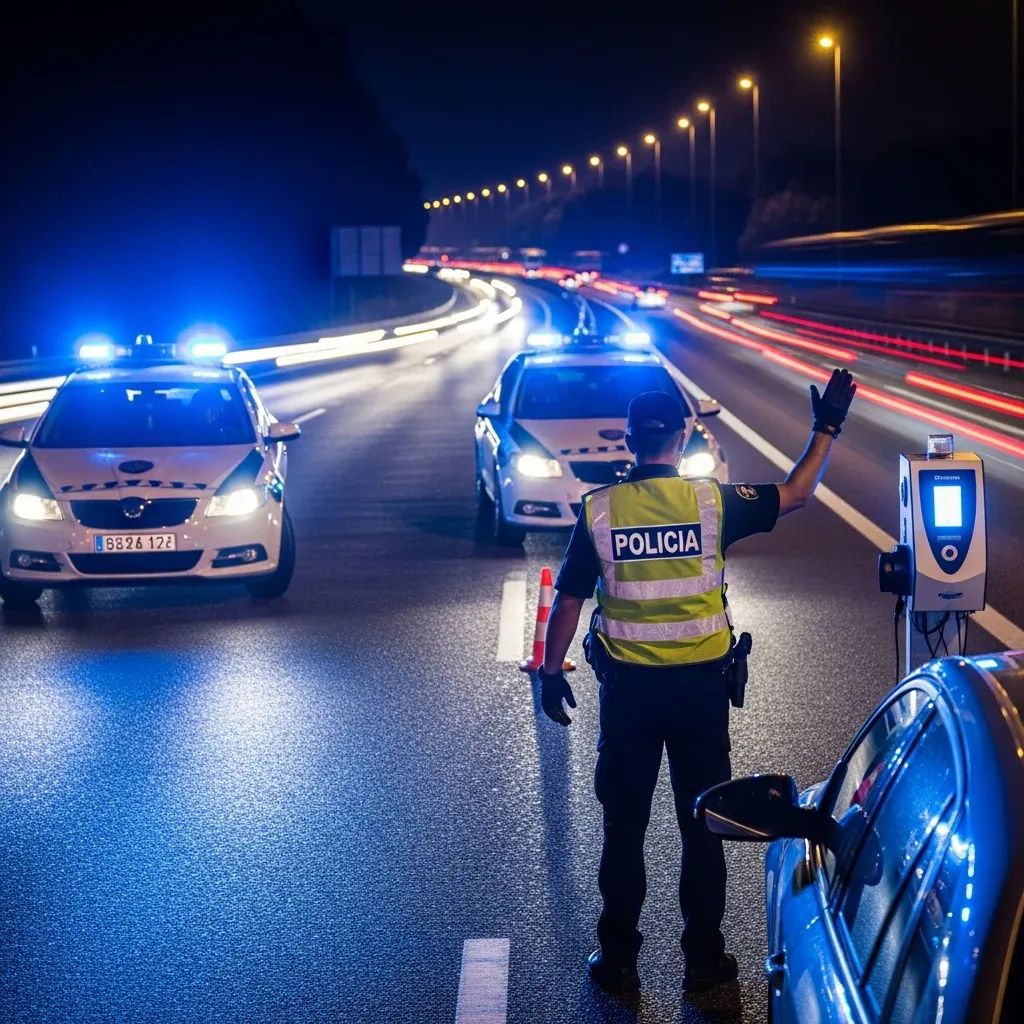
Eight straight days of blitz patrols, random breath tests and radar traps produced an avalanche of statistics. The GNR, which covers rural roads and most motorways, recorded 1 412 crashes, while urban-focused PSP listed 970. Officers say the "tolerância-zero" strategy—thousands of checkpoints at city exits, coastal resorts and toll plazas—prevented an even worse balance sheet, yet the 398 arrests for extreme intoxication (≥ 1.2 g/l) show that hard-core offenders still gamble with lives.
Mapping the deadly kilometres
Fatal collisions were scattered from Alcanena on the A1 to Loulé on the EN 396, sketching a grim road map that spares no district:– Aveiro topped the list with four deaths, including a late-night motorcycle crash in Águeda.– Lisboa district saw three fatalities, two on secondary roads near Torres Vedras and Mafra.– Porto, Braga, Beja, Coimbra, Santarém, Setúbal, Faro and Bragança each added at least one cross to the roadside.Urban zones were not safer: PSP logged double deaths in Vila Nova de Gaia and Benfica, plus single tragedies in Massamá and Figueira da Foz. The pattern suggests that lower-capacity roads, not motorways, remain the most lethal once celebrations end and visibility drops.
Alcohol in the driver’s seat: three-year trend
A glance at recent New Year operations hints at a slow but fragile improvement:
• 2024/25: 25 deaths and 980 DUI arrests
• 2025/26: 23 deaths and 559 DUI arrestsWhile the 44 % fall in arrests looks encouraging, experts warn it may reflect fewer roadside checks in 2026, not better behaviour. GNR commanders acknowledge that manpower was partly redeployed to new drone-assisted speed traps, leaving fewer officers for traditional breath tests.
What the experts want changed
Road-safety researchers at the University of Porto argue for immediate licence suspension once a driver blows above 1.2 g/l, mirroring French rules. Insurance lobby APS backs mandatory in-car breathalysers for repeat offenders. Meanwhile, the Ministry of Internal Administration is drafting a bill to raise fines for using a phone at the wheel to €1 000—a distraction that contributed to 164 GNR citations over the holidays.
Staying alive on Portuguese roads: five practical moves
Nominate a sober driver or pre-book ride-hailing before opening the first bottle.
Plan departure before dawn or after lunch to dodge the traditional midnight-to-4 am crash peak.
Check tyre pressure, wipers and lights—rainy January nights multiply braking distance.
Alternate every 2 h behind the wheel on long southbound A2 journeys; fatigue mimics 0.5 g/l BAC.
Keep emergency numbers in speed-dial: 112 for general emergencies, 808 201 855 for road assistance.
A cultural crossroads
Portugal has spent two decades cutting its road-death rate by two-thirds, yet alcohol remains a factor in roughly 1 in 4 fatal crashes. António Meireles, president of the national victims’ association, believes the country is "torn between a proud wine culture and a modern zero-tolerance ethic." EU data reinforce the dilemma: southern nations tend to report higher DUI shares than Nordic neighbours, although overall fatalities per million inhabitants are converging.
Behavioral scientists say the shift will come only when drinking and driving becomes socially unacceptable, not merely illegal. Until then, the annual holiday blitz will keep delivering an unpalatable January tradition: counting the cost of one night’s celebration across Portugal’s asphalt network.