
Small Change Crunch: Portugal Imports Pennies Amid Rounding Debate
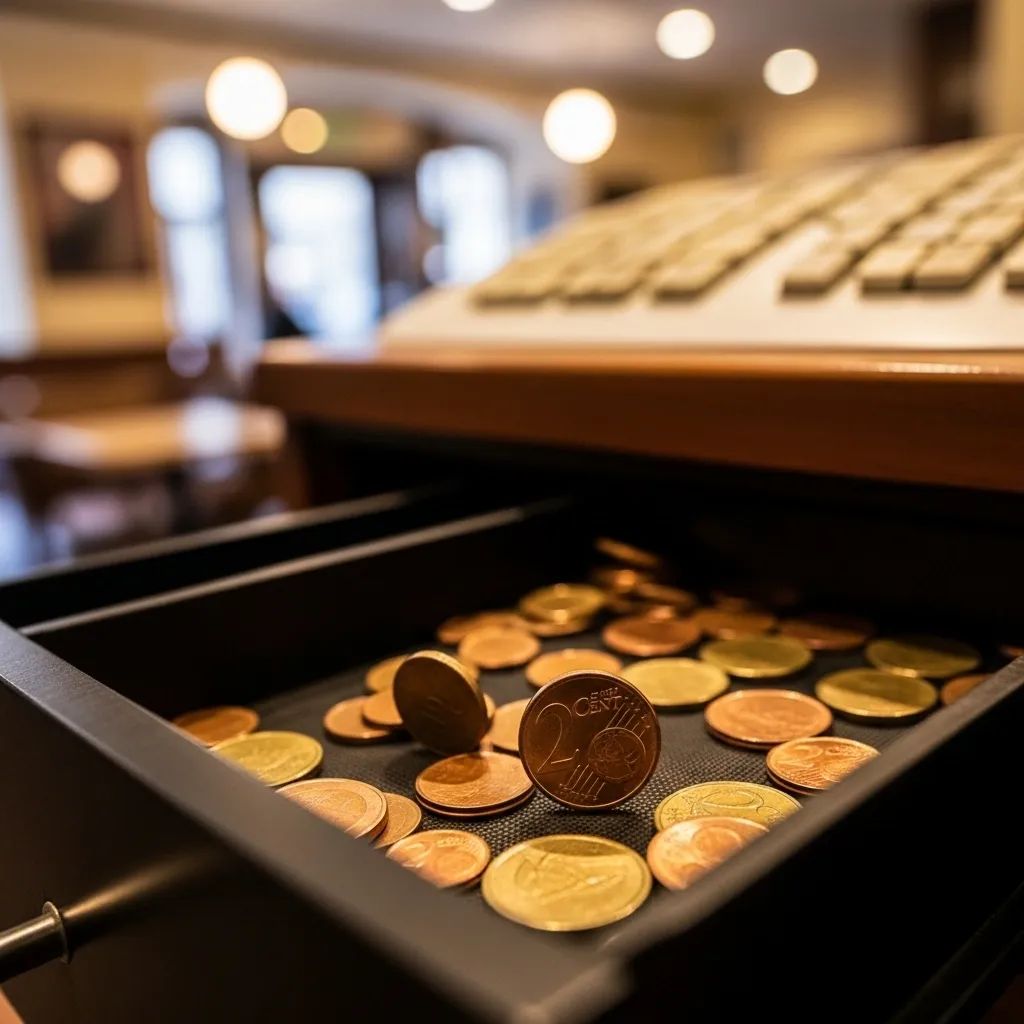
On the streets of Lisbon and beyond, everyday transactions depend on small change. But behind the scenes, Portugal has faced a puzzle: minting 1- and 2-cent coins costs more than their actual value. For seven years, the country has quietly imported pennies from Belgium and Slovakia to keep cash registers balanced, all while public debates heat up over rounding policies and the future of euro cents.
Key Insights
• Imports vs. Minting: Portugal swapped 1.1M 50-cent and 195k 2-euro coins for 26M 1-cent and 34M 2-cent pieces in 2024.
• Cost Imbalance: Producing a 1c coin can exceed 1.7c, turning small change into a financial burden.
• Parliamentary Queries: The Socialist Party pressed for awareness campaigns amid reports of exact-change shortages.
• Eurozone Trends: Countries like Belgium, Finland, and Estonia now apply automatic rounding, reducing penny usage.
A Minting Dilemma
The Casa da Moeda in Sacavém has downscaled its output of low-value coins after finding that the expense to strike each 1- and 2-cent piece outstrips its face value. To fill in the gaps, the Bank of Portugal has negotiated currency swaps with fellow eurozone members, ensuring that vending machines, toll booths, and local markets remain stocked with loose change.
Cross-Border Change Barter
Since 2018, Lisbon’s financial authorities have turned to Belgium and Slovakia, trading away 1.1M 50-cent and 195k 2-euro coins in return for 26M 1-cent and 34M 2-cent pieces. This arrangement delivered 60M coins to Portugal in 2024 alone, representing over 50% of the country’s low-denomination circulation. Meanwhile, 54% of these coins originated abroad, notably from Spain and France.
The Rounding Conversation
Across the eurozone, an increasing number of nations round cash transactions to the nearest 5 cents. This practice simplifies cash-handling, slashes logistics costs, and aligns with consumer preferences. Yet in Lisbon, the Executive remains cautious, citing potential impacts on price transparency and consumer rights. For now, cash rounding sits on the back burner.
Voices from the Marketplace
From the cobbled alleys of Porto to the beaches of Algarve, shopkeepers and commuters describe occasional hurdles in finding exact change. During recent parliamentary questions, vendors at street fairs and public transport terminals urged the government to launch educational campaigns or consider policy shifts. The Ministry of Finance counters that there is no looming shortage.
Ahead for Portugal’s Cash Ecosystem
With cash still king in many corners of Portuguese life, small-change logistics remain a pressing concern. Observers will watch for the next Bank of Portugal recommendation, any new cost studies, and the EU’s stance on harmonised rounding. Whether pennies endure or give way to simpler sums, the outcome will ripple through tascas, cafés, and kiosks nationwide.

The Portugal Post in as independent news source for english-speaking audiences.
Follow us here for more updates: https://x.com/theportugalpost
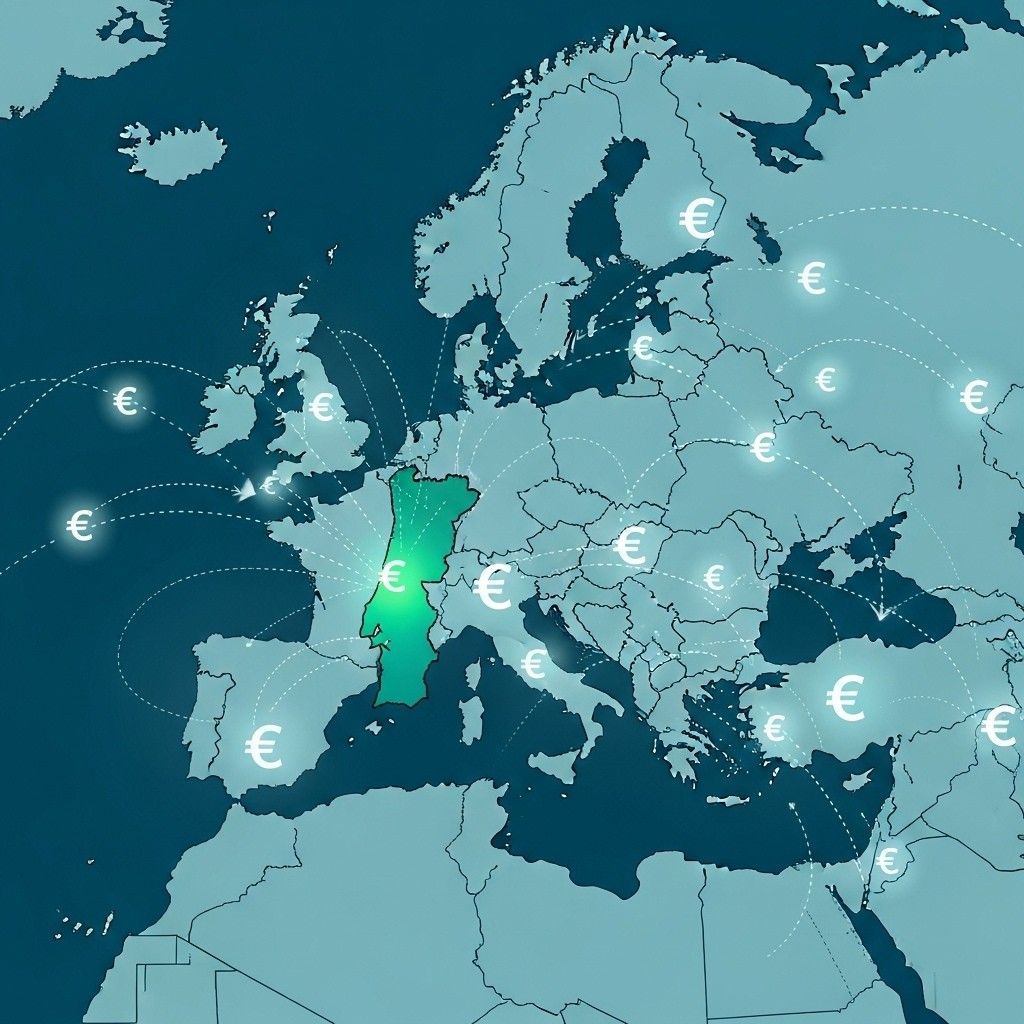
Instant transfers Portugal-wide are now mandatory: move euros 24/7 in under 10 s, with capped fees and name-IBAN safety checks—see impact on rent and bills.
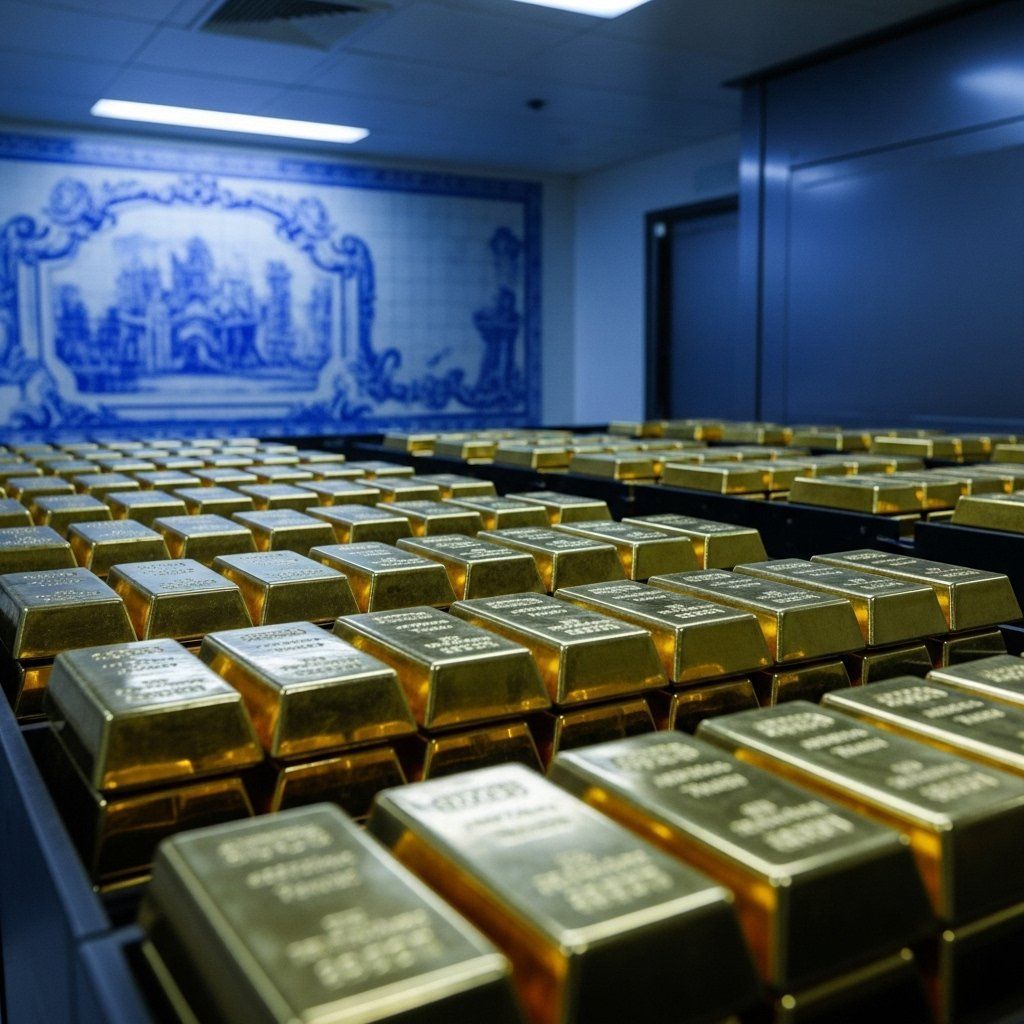
Portugal gold reserves exceed €46B. Discover how soaring bullion prices reshape debt talks, boost safety nets and influence policy today.

Portuguese exporters face thinner profits as US tariffs climb and the euro gains. See what's behind the crunch and which sectors feel it most.

Portugal remittances barely rose in H1 2025. See how the flat trend could nudge exchange rates, mortgages and expat money transfers today too.